

Seeking out the
5000 greatest films
in a century of cinema


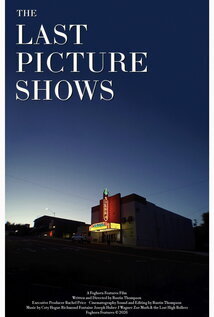

The Last Picture Shows



Produced by Rustin Thompson
Release Date: 07 August 2026
Aspect Ratio: 1.78 : 1
Color: Color
Rustin Thompson's quiet, patient road movie showcases the 123 small, independent theaters he visited while traveling the American West. As he explores the state of the contemporary movie theater business, he visits long-abandoned Art Deco jewels converted into churches and furniture stores that have long since gone out of business, single-screne movieshouses all forced to run the latest superhero film no one in town wants to see, two-and-three-cinema multiplexes running mostly studio product that often doesn't bring in enough cash to sustain operations, mom-and-pop theaters holding on via the positive attitudes and second jobs held by the owener-operators, drive-ins with massive, mostly empty lots that still attract what's left of the local popualtion, and recently renovated theaters where the proprietors have figured out ways to both survive and thrive in the current state of the industry. You go in expecting a downer about the demise of the local movie theater's role in American culture. What you get instead is a wistful eulogy for the death of small-town America itself, along with a reminder that the upbeat, community-minded spirit that made small-town America what it was is still very much alive for those who remain.
People like me, who live in major cities where independent cinema culture is still very much alive, will find the movie refreshing for its spotlighting of small towns across ten states in the western part of the country. This focus makes the film unique because generic media narratives about "the death of movie theaters" rarely address these areas (which isn't surprising, since the media almost never focuses on towns like this in any stories outside election coverage if they happen to exist in a swing state). Both the western vibe and the theme of what the ongoing diminishment of downtown areas means for our culture fit the movie's title, which references Peter Bogdanovich's 1971 film of Larry McMurtry's 1966 novel about a small Texas town in 1954. Relevant in each of those decades, and all the decades after, The Last Picture Show is not about the death of the local moviehouse in the fictional town of Anarene, TX (Thalia, TX in the book); it's about the death of the town itself.
Thompson spends his 78 minutes well, getting into some specifics about why the studios are making it hard for small-time indie cinema owners and what small-time indie cinema owners can and can't do about it, but much of the movie's running time is dedicated to simply lingering on shots and still photographs of these theaters. The deliberate, almost reverential pace of the picture is also fitting for its subject and theme. I found myself getting lost in these images and feeling like I was on the journey with Thompson.
You go into Rustin Thompson's documentary expecting a downer about the demise of the local movie theater's role in American culture; what you get instead is a wistful eulogy for the death of small-town America itself, along with a reminder that the upbeat, community-minded spirit that made small-town America what it was is still very much alive for those who remain.