
Seeking out the
5000 greatest films
in a century of cinema



Unless you live for CGI blockbusters, 2023 was a terrific year for movies. It was not only a solid time for indie movies, foreign films, and documentaries, it was the best year in many years for Oscar-bait pictures that were actually great. 2023 saw a few more releases than 2022 when the industry was still recovering from the COVID-19 pandemic, but multiplexes were still not over-crowded with new releases or devoting all their best cinemas to running the same big studio product on multiple screens. Thus, the unusual, mid-budgeted pictures stuck around in theaters longer, and people ventured out of their homes to watch more than two movies on the big screen again, in numbers we haven't seen since the lockdowns. These included Academy members, many of whom actually went out and saw more than a dozen or so films rather than half-heartedly watching their screeners.
One of the downsides of a strong year for prestige pictures is that the Oscar nominations can be a bit predictable. But I’m not complaining. This is the first year since the Academy went to the mandatory 10 Best Picture nominees that I didn’t despise one or more of the selected movies. Even though I’m not a big fan of either half of the year's Barbenheimer phenomena, I think both films belong on this list—in fact, Barbie and Oppenheimer probably belong there more than films I liked better, like Maestro and American Fiction. It's just always more exciting when some of the biggest films of the year get nominated for Best Picture. But in order for that to happen, studios need to release universally appealing one-off movies that can compete with the likes of The Super Mario Bros., or the latest installment in a franchise like The Fast & The Furious, or an entry in a particular superhero cinematic multiverse. For Barbie and Oppenheimer to be the #1 and #3 highest-grossing movies of the year is thrilling, even for someone like me, for whom neither of those films even cracked my top 75.
That said, the Oscar races are not especially exciting this year because it's practically a foregone conclusion that Oppenheimer will do the kind of sweep that hasn't occurred in over twenty years. Of course, the Academy is not a club. They don't all collude to ensure that certain films or actors get nominated over others. (And when they do, like last year's push to get Andrea Riseborough a Best Actress nomination, they get reprimanded.) But even though most members vote for what they like, the current members of most branches want to spread the wealth around more than the Academy of earlier decades. Since they now use ranked-choice voting, many awards will go to the majority of the second or third choice of most members. This pattern will make it unlikely for Oppenheimer to pull off a Titanic-level sweep—that film won 11 of its 14 nominations—although the 2023 film may still come close to the 1997 picture's tally.
Now, my track record as a prognosticator is pretty bad. I don't pay a lot of attention to the horserace or the social media chatter. I only know what people think because Film Twitter outrage is so loud and strident it’s impossible to ignore all of it. I know there are a lot of theories out there put forward by the woke and the anti-woke that Barbie could win because of guilt over Greta Gerwig not getting nominated for Best Director. But I don't expect an Argo situation or a Moonlight upset. I also don't think Oppenheimer peaked too soon. I think the academy will reward Christopher Nolan's flawed epic with Best Picture, Director, Adapted Screenplay, Actor, Supporting Actor, Film Editing, Cinematography, Sound, and Score. There is no question that Robert Downey, Jr., will win for Supporting Actor, though I think Robert De Niro and Mark Ruffalo are more deserving. I'm also predicting that Cillian Murphy will nab Best Actor, despite the much-loved Paul Giamatti giving him a run for his money during precursor awards.
Two non-Oppenheimer wins that are almost guaranteed are Giamatti's Holdovers co-star Da’Vine Joy Randolph for Supporting Actress, whose sweep of nearly all other awards shows makes her a foregone conclusion, and Lili Gladstone as Best Actress for Killers of the Flower Moon. The Best Actress race feels like it could go either way between Gladstone and Emma Stone for Poor Things since both have been taking home multiple statues from various awards bodies. But I can't imagine the current makeup of the Academy will blow the opportunity to give this award for the first time to a Native-American actress whose quiet performance grounded her picture with such profound intensity in favor of again rewarding a prolific thirty-two-year-old who already has a Best Actress Oscar under her belt.
The seeming predictability of an Oppenheimer sweep makes me wish some of the smaller categories, like the short films, were more exciting. But as great a year for feature films as 2023 was, the same can't be said for the short form. This year's crop of animated, live-action, and documentary shorts was hardly stellar. And just as this was a weak year for CGI blockbusters, the nominated animated features were also subpar. It's easily a two-film race between Hayao Miyazaki's highest-grossing film ever, The Boy and the Heron, and the year's only superhero movie not to under-perform at the box office, Spider-Man: Across the Spider-Verse.
Balancing the overall slate and adding interest, 2023 was a great year for documentaries. There were so many personality-driven biographical docs that I was sure at least one would be nominated. There were the docs that explored the legacy of departed pioneers—like Being Mary Tyler Moore, the first-rate career-retrospective about the iconic TV trailblazer; Squaring the Circle, an evocative and witty look back at the design team responsible for many of the most iconic album covers of all time; Aurora's Sunrise, which blends animated narrative and documentary retrospective to tell the story of an Armenian Genocide survivor who wound up starring in a Hollywood silent film that told her story; and The Disappearance of Shere Hite, a visually dynamic historical doc about the mysterious, influential, and all-but-forgotten feminist sexologist whose work challenged patriarchal attitudes about intimacy and female sexuality. Then there were those docs where the subject is still alive and able to take the stage for a touching Oscar moment—the clunky but effecting Still: A Michael J. Fox Movie; the warm, funny, and timely Judy Blume Forever; the comprehensive Liv Ullmann: A Road Less Traveled; the immersive Anselm; and the powerful Joan Baez: I Am a Noise. But none of those documentaries made it past the shortlist. The addition of so many international members to the Academy has resulted in more challenging films getting nominated, which I think is a good thing—though there are plenty of loud voices decrying that none of the fun, celebrity-driven documentaries get nominated anymore.
The International Feature category is also easy to predict this year since France submitted the wonderful (and unmistakably French) autumnal romance The Taste of Things instead of (in my opinion) the year's best picture, Anatomy of a Fall. Had the more acclaimed and popular Anatomy been nominated, it would be a lock. Since it's not, The Zone of Interest will take the prize. Zone was one of the International Features that caused a bit of a dust-up on Film Twitter, since the director of Germany's entry is a Brit, Jonathan Glazer. Even more controversial is that a German, Wim Wenders, directed Japan's entry, Perfect Days. Still, as controversies go, these are weak conflagrations.
Unlike last year's entertaining kerfuffle over the Andrea Riseborough nomination, the insipid Internet outrage this year was no fun at all. Social media was up in arms about the “snubbing” of the year's biggest box office winner, Barbie. But these tired and tedious hot-takes only succeeded in illustrating the sheer ignorance and hypocrisy of most people who disparage the Academy Awards on Twitter and other mediums, where thoughtful commentary goes to be stoned to death. Rather than celebrate the many nominations of women, especially women of color and non-Americans—the lack of which is usually the cause for Oscar uproar—the social media warriors largely ignored the nominations of Lily Gladstone, Da’Vine Joy Randolph, America Ferrera, Celine Song, Justine Triet, Samy Burch, Kaouther Ben Hania, Maite Alberdi, and Yegane Moghaddam (some historically noteworthy nominations) to focus on the fact that Greta Gerwig and Margot Robbie were not nominated for Barbie.
Of course, both women were nominated for Barbie, just not in the categories their crusading fans wanted. Since we live in a film culture forever poisoned by the Auteur Theory, Gerwig's nomination for Best-Adapted Screenplay (along with her partner Noah Baumbach) feels to many like some kind of consolation prize. But it's hard to feel sorry for Gerwig, who has had literally 100 percent of the movies she's directed nominated for Best Picture. As for Robbie, people seem to think when an actor has a producer credit it must be some kind of honorary title signifying nothing. Folks, I assure you, Margot Robbie was a creative producer on Barbie, with input into virtually every aspect of that film. If it wins, she'll be up there.
But how often does the #1 box-office movie get nominated for Best Picture anyway? Since 1980, only four movies were named Best Picture that topped the box office charts—The Lord of the Rings: The Return of the King, Titanic, Forrest Gump, and Rain Man. So much of the outrage about Oscar nominations has to do with ignorance about how the Academy operates. Each individual branch nominates films for each category, and the only category everyone in the Academy votes for is Best Picture. Thus, we should expect some inconsistencies from branch to branch since the Academy is not a monolith. Reading and listening to the vitriol about the nominations makes me think that what many people want is the woke equivalent of the old smoke-filled room, where a body of elites sits around and decides how best to divvy up the goodies in ways that will ruffle the fewest feathers and make the organization look good. That's not how the Academy works. (That is pretty much how the LA Film Critics Association works!)
The director's branch is one of the least diverse segments of the Academy since most American directors are still predominantly old white guys. It would be great to see that branch expand, as others have in recent years, inviting in more youthful and international representation. But if the goal is to get more films made by women directors, and that is a goal I certainly share, then people's “activism” needs to start by buying tickets to the movies that women direct. In a capitalistic (and a Democratic) society, complaining at the end of a process doesn’t do nearly as much good as getting actively involved at the beginning. I wonder how many people who were outraged about Barbie getting “snubbed” by the Academy, themselves “snubbed” Are You There God? It's Me Margaret, Past Lives, Showing Up, Earth Mama, You Hurt My Feelings, Priscilla, A Thousand and One, Blue Jean, Reality, The Royal Hotel, Bottoms, Scrapper, The Unknown Country, Birth/Rebirth, and many other women-directed films that, in my humble opinion, were superior cinematic works to Barbie.
All the sound and fury around the nominations has largely died down, which is a relief. Still, the barrage has colored the writing that accompanies my semi-annual ranked list of the nominations. This year, my order sometimes seemed absurd to me. The apples-to-oranges (to single grapes) comparisons were especially wild in a year when there was a 180-minute celluloid IMAX historical film that became an international phenomenon and a simple 7-minute animated short about fabrics. But I am placing these movies in order of how well I felt they succeeded at what they were attempting to do. That is always my criteria.
So, with one missing film—the animated feature Robot Dreams, which I was unable to catch during NEON's nationwide one-night-only pre-Oscar screening—here is my complete list of the 2023 Oscar-nominated films.
-------------------------------------------------------------------------------------------------------------
52: THE AFTER - 1 nomination ★
Picture the worst offering from a night of thesis films from a second-tier film school in the early 1990s, but with a major movie star in the lead and a Netflix-level budget, and you've got The After. Director Misan Harriman's film about grief and loss begins with an act of violence so absurdly staged that one can’t help but be shocked, not at its depiction of random urban savagery (did Fox News co-produce this?) but at the astonishing preposterousness of the conception and execution of the act. David Oyelowo plays a British businessman who loses his wife and daughter and spends the following years driving an Uber and carrying the weight of his grief until one fateful ride, which provides the film with a climax almost as embarrassingly overblown as its opening.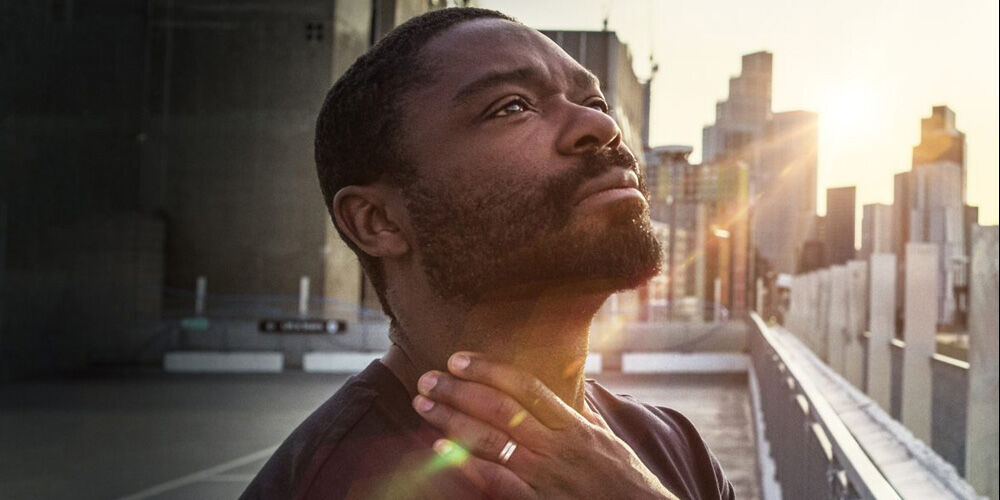
#51: THE CREATOR - 1 nomination ★
The latest from Rogue One director Gareth Edwards was considered the best science fiction film of the year by many, but it failed to be a major box-office success—maybe 2023 wasn’t the best year for a work of pro-AI propaganda. The film blends the hackneyed clichés of a dozen superior sci-fi films with stale tropes from a half dozen Vietnam movies to tell this story of a 2055 Earth where the US is fighting a war against artificial intelligence. The twist here is that these are not the type of murderous interconnected operating systems that most dystopian future fiction predict; here, the robots and synthetic organisms are asking, "Can't we all just get along?" None of the endless world-building Edwards and co-writer Chris Weitz labor at stands up to even the most basic scrutiny. The nominated Visual Effects barely register because the whole thing is presented in the typical dark, muddy style we now expect of contemporary blockbusters.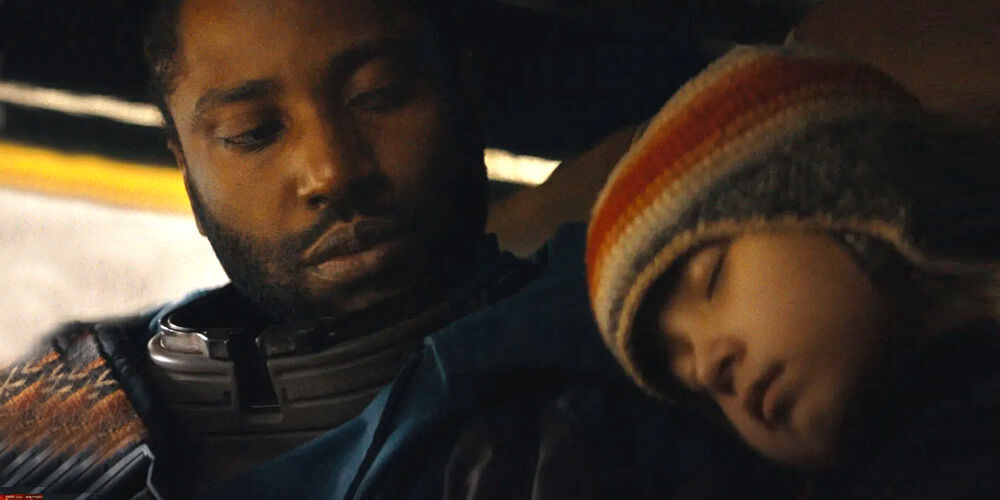
#50: FLAMIN' HOT - 1 nomination ★
The “inspirational true story” of how Flamin' Hot Cheetos came into existence was the dumbest (though not the worst!) of the eight or nine 2023 films about a commercial product or business phenomenon. There might have been a compelling film in this rags-to-riches tale of a Frito-Lay janitor who harnessed his entrepreneurial spirit, his faith in himself, and the buying power of his Mexican-American community to revolutionize the snack market. Unfortunately, the writing, direction, and cheeseball approach to the material sinks any interest the story might generate. The only reason this film is an Oscar contender is because many Academy members are determined to get Diane Warren a competitive Oscar for Best Original Song. "The Fire Inside" is her fourteenth nomination, and it would be a real shame if the songwriting legend won for such a generic ditty. Since she won a lifetime achievement award from the Academy last year, I hope they'll not be silly enough to reward her for such disposable fluff.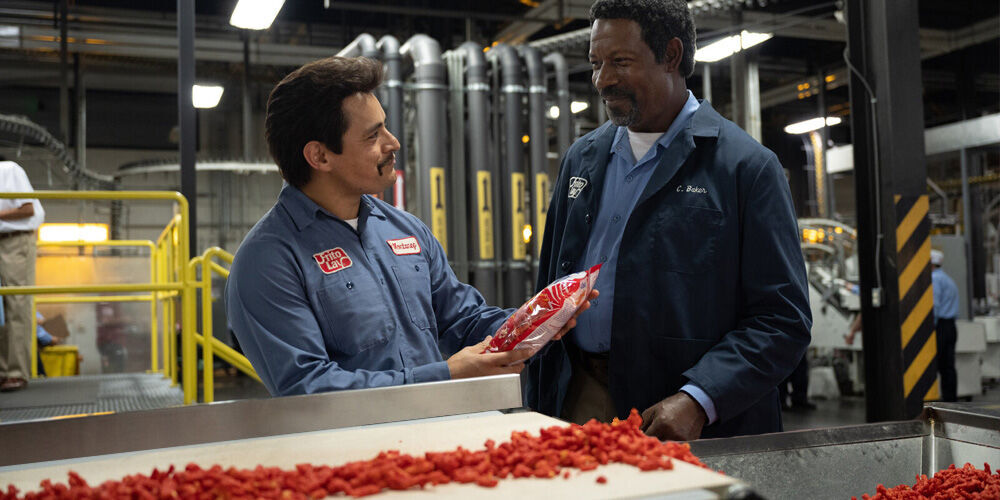
#49: WAR IS OVER! Inspired by the Music of John & Yoko - 1 nomination ★
Veteran Pixar animator Dave Mullins, previously nominated for the 2017 Best Animated Short Oscar for Lou, delivers an overcooked but half-baked tribute to the titular John Lennon and Yoko Ono song about giving peace a chance. Set in the trenches of WWI, the film envisions a chess game played between two soldiers on opposing sides who communicate their moves via carrier pigeon crisscrossing no man's land. Co-written by Sean Ono Lennon, who executive produced with Yoko, the film has a sizable budget and a lot of high-end talent, including a score by Thomas Newman and visuals by Weta FX. In a year where multiple complex armed conflicts are raging in the world, this simplistic, cartoony platitude, with its cutesy, sanitized depiction of one of the bloodiest wars in human history, rings nothing but flat, false notes.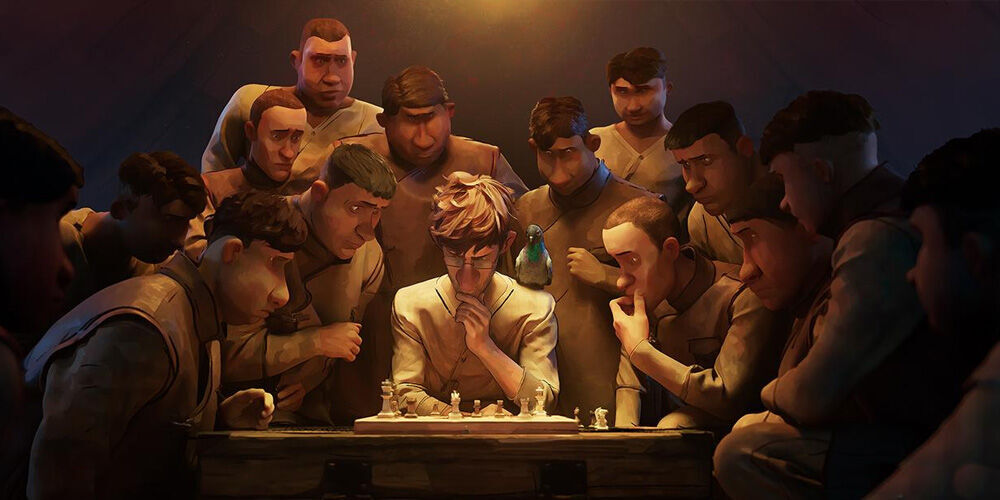
#48: EL CONDE - 1 nomination ★
The great American cinematographer Ed Lachman, who shot Susan Seidelman's Desperately Seeking Susan, David Byrne's True Stories, Mira Nair's Mississippi Masala, Paul Schrader's Light Sleeper, Sofia Coppola's The Virgin Suicides, Steven Soderbergh's Erin Brockovich, Todd Haynes' Far from Heaven, and Robert Altman's A Prairie Home Companion, lenses the utterly unimpressive black-and-grey visuals of Pablo Larraín’s latest picture. The director of No, Jackie, Spencer, and other notable pictures squanders a terrific premise and the opportunity to blend political commentary with genre tropes. The film supposes that Chili's former dictator, Gen. Augusto Pinochet, is an immortal vampire who, after sucking the lifeblood of the proletariat in many continents for over two hundred and fifty years, is finally ready to shuffle off this mortal coil. Larraín’s dreary satire makes us wish “The Count” would just hurry up and get on with it. After two richly deserved nominations for Far from Heaven in 2002 and Carol in 2015, it would be a shame for Lachman to win for an effort this monochromatic—in every sense of that term.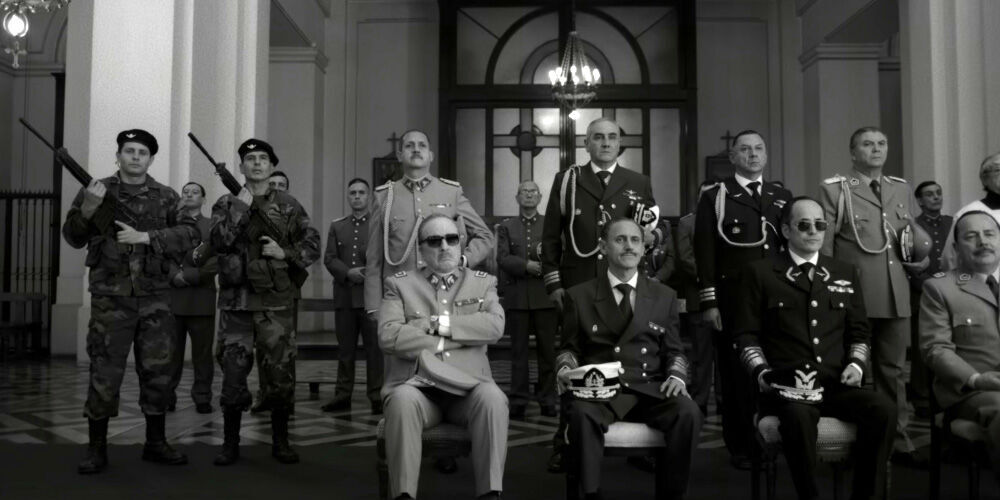
#47: NAPOLEON - 3 nominations ★
There's no getting around the fact that Ridley Scott is a legend and an amazing director of many movies. However, when it comes to historical epics, his dismissive arrogance and reductionist style-over-substance approach result in these being some of the worst entries in his uneven filmography. Napoleon is even worse than his Oscar-winning Gladiator (2000), easily one of the ten worst Best Picture winners. While most of Scott's historical pictures feel like they were conceived by a fifteen-year-old cheating on a test, only the two that star Joaquin Phoenix made me feel embarrassed that I bought a ticket. Phoenix is an actor with a wealth of emotion but zero technique. That's not to say he hasn't given some beautiful, extraordinary performances when he's well-directed in movies that suit his screen persona (see this year's terrific Beau is Afraid), but under Scott's direction in a period picture, he gets lost in a canvas of expensive finger-painting.
Still, the epic film deserves its nominations for Production Design, Costume Design, and Visual Effects, right? Not in a year that saw such a wealth of inventive and distinctive forays into these crafts like Barbie, Asteroid City, Poor Things, Beau Is Afraid, Ferrari, Maestro, and The Killer, to name a few. Everything in Napoleon, with the exception of that exploding horse, feels generically computer-generated. At least with his early period films, The Duelists and 1492: Conquest of Paradise, Scott's blasé storytelling could fall back on beautiful cinematography. But his more recent historical efforts, Kingdom of Heaven, Robin Hood, and the atrocious Exodus: Gods and Kings all look like digital dreck, which renders their photography, effects, and even costumes as artificial as their scripts and casting. The humor in Scott's historical epics is also pathetically adolescent, and Napoleon epitomizes this failing. The one time Scott got the script, tone, and casting right on such a project was The Last Duelin 2021, but that film didn't score any Oscar nominations!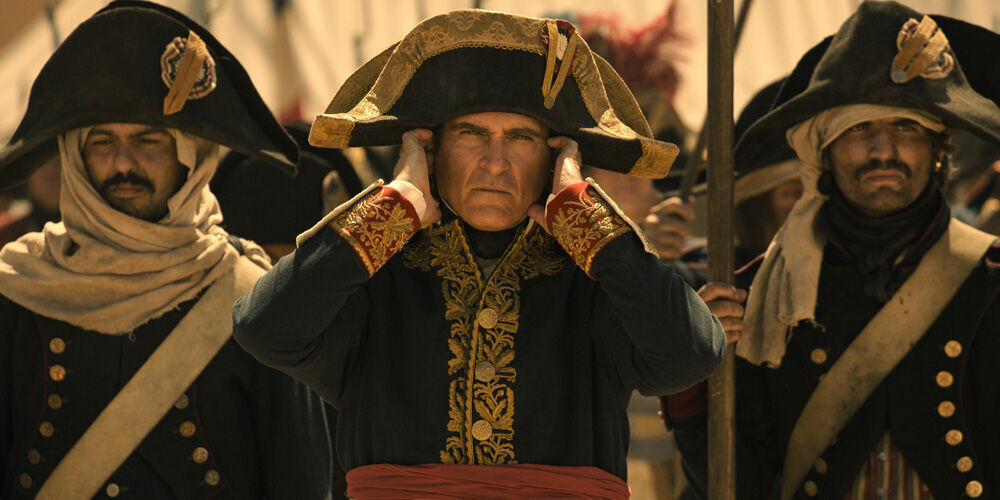
#46: THE COLOR PURPLE - 1 nomination ★
Like a cinematic game of telephone, this filmed musical adaptation of the stage musical adaptation of the film adaptation of Alice Walker's exceptional novel loses all semblance of the source's original meaning as each successive team of storytellers reinterprets it. Walker's punishing, enlightening, enthralling tale of an African-American woman living in the rural South who survives unspeakable abuses of every sort gets the full Little Shop of Horrors treatment in this shamelessly slight and sterilized production. It is simply one of the most schizophrenic mismatches of tone and subject matter ever committed to screen. Nearly every choice made in every category, across the board, feels utterly wrong—the pedestrian visual style, much of the casting (Colman Domingo is a great actor, but he's all wrong for Mister), the banal staging of the production numbers, the painfully obvious truncations of songs written for the stage musical (some as short as 60 seconds in this movie!), the absurd sanitizing of the historical context, the clumsy way this screenplay handles the passage of time (a critical element to any telling of this story), the way contemporary attitudes about resilience and identity via entrepreneurship and branding warp this profound period exploration of sisterly bonds into a saccharine self-empowerment narrative. I could go on.
The only choice that makes a favorable impression is casting Danielle Brooks in the major supporting role of Sofia. So it's fitting that if this colossal misfire of a movie is to receive any Academy love, it should be for its most positive attribute. Brooks played Sofia to great acclaim on Broadway, and she fully embodies the character's confidence and outspoken swagger. She's far less convincing when Sofia gets stripped of her fierce self-possession in the second act, but that is entirely the fault of the writing and direction, not the actor. Brooks exemplifies how a great performance can transcend (or at least survive) a bad production; that's worth some acclaim.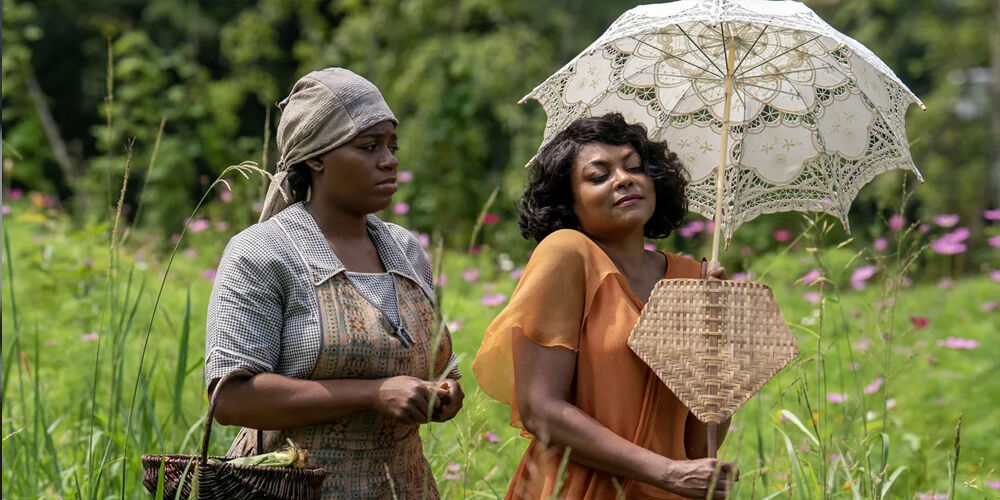
#45: NIMONA - 1 nomination ★
This feature adaptation of ND Stevenson's episodic webcomic and graphic novel has some original character design, but the overall style of animation is the same high octane, hyperkinetic, everything flying at you at a million miles an hour style that makes so many modern animated films tedious and exhausting. In terms of premise, setting, and themes, Nimona is practically identical to the prior year's Netflix Best Animated Feature nominee, The Sea Beast. That film, however, enabled its audience to discover the subtext and message of the story along with the characters— brave warriors with their proud tradition of killing the dangerous monsters that lurk outside the protective wall of their kingdom who come to discover that perhaps the legends, conventions, and laws they've held close for generations might be all wrong. In Nimona, this message is telegraphed, shouted, spray-painted, dictated, signaled, and crammed down viewers' throats. It's as if the filmmakers believe they will score extra points if their film is as pedagogic and preachy as possible so that even people who don't actually watch it will champion it. But sitting through it is a slog.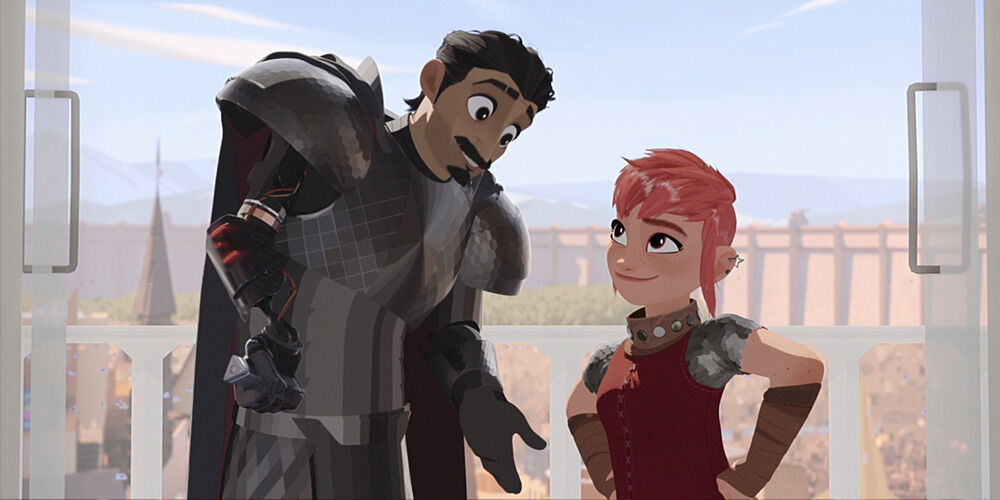
#44: INDIANA JONES AND THE DIAL OF DESTINY - 1 nomination ★
One of the greatest original film series ever devised is buried by director James Mangold, co-writers David Koepp and Jez & John-Henry Butterworth, and original producers Frank Marshall and Kathleen Kennedy—along with Steven Spielberg and George Lucas sanctioning these dismal proceedings as executive producers. One of the many things that made the original Indiana Jones trilogy so exciting and distinctive was the tactile nature of the productions—actually traveling to exotic locations, reveling in the practical special effects and thrilling real-world stunts, the remarkable sets, the matte paintings, the inventive sound design, the expert editing!!!! These films embodied the things that made Hollywood blockbusters fun before CGI reduced 94 percent of them to a murky, monotonous swamp of digital glop. Even though I believe this production was made all over the world, what does it matter what hill Harrison Ford is sitting on if they're just gonna put a green screen behind him and fill it with digital skies, cities, or other patently unreal environments?
Of course, another element that made these movies so spectacularly memorable was the scores by John Williams. But as much as I would have loved this film to give not only Ford a fitting farewell but also the grand old man of movie soundtracks, can anyone really say this music merits giving the 53-time nominated, 5-time winner yet another accolade?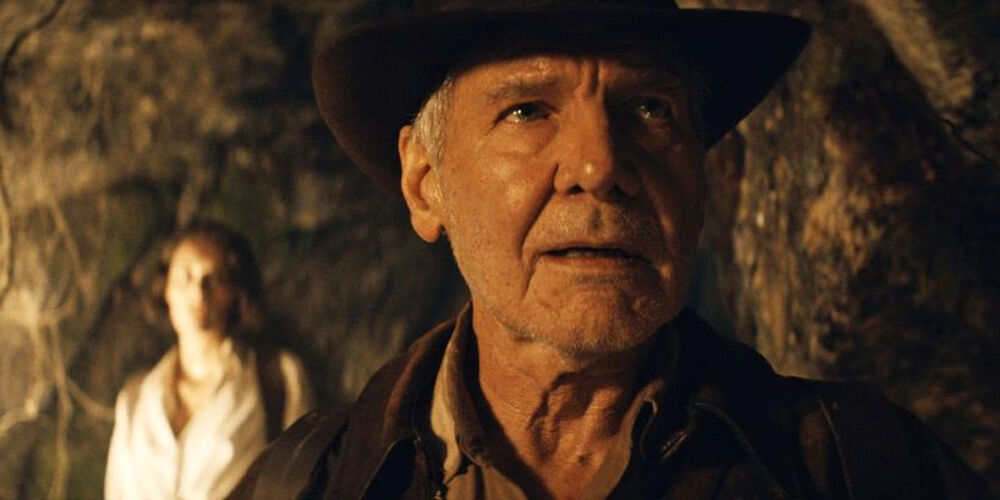
#43: RED, WHITE AND BLUE - 1 nomination ★★
Thank goodness we're coming out of the asteroid field of terrible one-star movies, but it's going to be a while before things really start to improve all that much. Nazrin Choudhury's live-action short, Red, White and Blue, is, blessedly, well acted by its cast, but even the greatest thespians in the world couldn't sell the contrivances of this 24-minute conceit. Brittany Snow stars as a waitress and single mother of two who must arrange to drive from Arkansas to Illinois to obtain a legal abortion. You can not convince me that this was the best short film made this year about the horrific ramifications of the U.S. Supreme Court's overturning of Roe v Wade. Surely, less labored and hackneyed films on this subject were plentiful in 2023, right? From the generic yet imperious title, to the deus ex machina that provides the protagonist with money for the procedure, to the near Shyamalanistic twist at the end–which is meant to be a gut punch but is, in fact, an eye-roller–this movie disappoints. Between the beginning of fellow nominee After and the ending of Red, White, and Blue, one has to wonder what these branches are looking for in the shorts they select.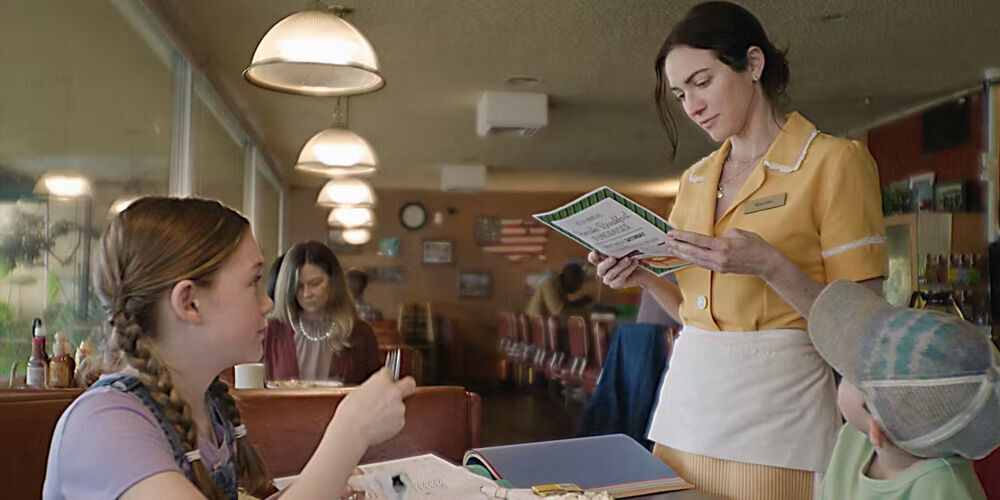
#42: THE ABCS OF BOOK BANNING - 1 nomination ★★
The weakest of the nominated documentary shorts is also a contemporary issue picture made by a champion of documentary films, which means it has a good chance of taking home the statue. The ABCs of Book Banning is a saccharine screed against the Right-wing movement that has politicized libraries and school boards across red state USA. The film practically admits it is not a serious documentary up front, with text stating that pro-book-banning voices have already been heard from plenty, so this film will center on the voices of those most directly affected: children (to which the film then proceeds to devote less than 30 percent of its time). The picture seems to have been made by folks completely disinterested in actually exploring the issue, its long history, the reasons certain books are being targeted, or in talking about solutions. And while it defines what is meant by the classifications of books that are "Restricted," "Challenged," or "Banned," it provides zero context as to how widespread this phenomenon is, how effective the bans have been, how many times a book needs to be objected to to merit inclusion in this film (is it 1000, is it 1?), etc.
Co-directed by Sheila Nevins, the 84-year-old former chief of HBO Documentary Films and executive producer at MTV Documentary Films, the project was inspired by seeing MSNBC coverage of a 100-year-old woman named Grace Linn protesting book banning at a school board hearing in Florida. That footage is included in the film, and it's moving. Likewise, the quasi-power-point presentation of titles that have been restricted, challenged, or banned is powerful if you know the books; if you don't, you'll need to take the filmmakers' word that the one sentence they've extracted from each work is fully representative of the book's content. As promised, the picture devotes a bit of its 27-minute running time to hearing from a select group of kids, but one could just as easily have taken a sampling from a different bunch of precocious 10-year-olds and gotten totally opposite responses. Watching the film, one has to ask, who is this movie for? Is anyone from the opposing end of this political issue going to be swayed by this lightweight puff piece? The ABCs of Book Banning leads with positivity and common sense rather than with fear and ignorance, but it's, frankly, the type of simplistic agitprop I expect from the other side of this fight.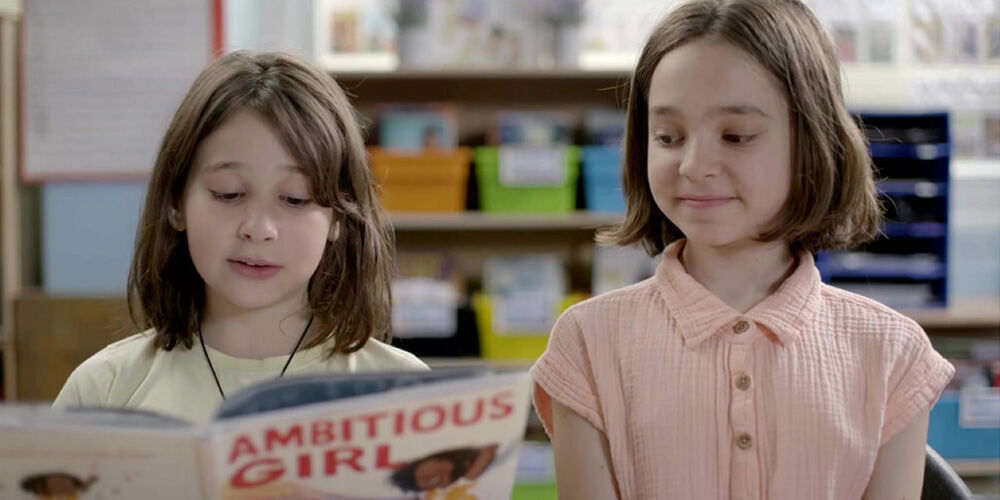
#41: GOLDA - 1 nomination ★★
A chain-smoking Helen Mirren, under layers of padding and Oscar-nominated Makeup and Hairstyling, plays Israeli Prime Minister Golda Meir during the pivotal 1973 Yom Kippur War with Arab states, led by Egypt and Syria. Director Guy Nattiv and writer Nicholas Martin depict the leader as a tarnished iron lady for whom the loss of every man she sends into battle has taken a physical and emotional toll. While the film attempts to contextualize what an existential fight these 19 days must have felt like, it never overcomes the difficulty any 2023 movie would have in not simply reinforcing the picture of how much power and influence this nation wields, even just twenty or so years after its founding. And by casting Mirren, a non-Jew, as this iconic Jewish leader, the film pissed off a big percentage of the folks who might have actually watched it. A war film set largely in conference rooms, bedrooms, and kitchens, Golda is unable to make its obviously limited budget work as a strength rather than a hindrance. The make-up and hair work is good, for sure, but watching Mirren listen anxiously to reports of things happening off-screen, we can't help wishing we were watching her un-transformed performance in the vastly superior fictional political thriller Eye in the Sky from 2015.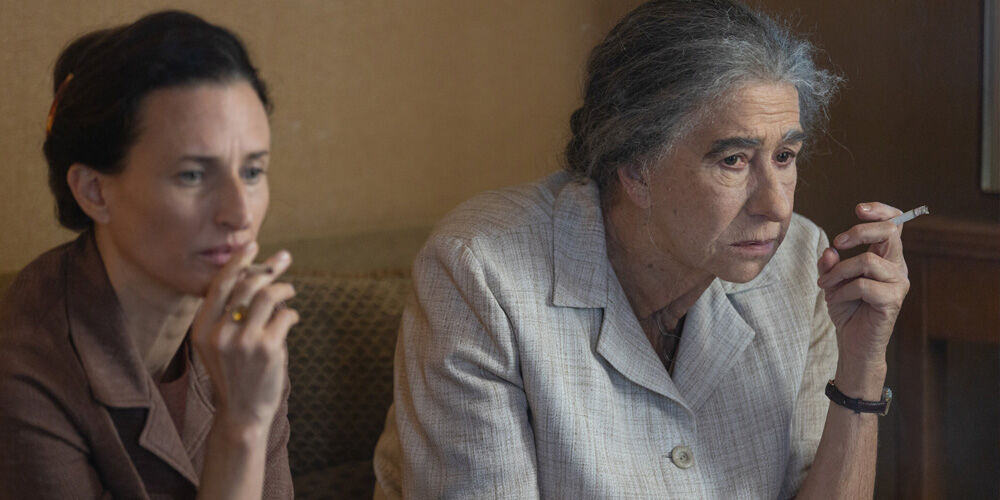
#40 GUARDIANS OF THE GALAXY Vol. 3 ★★ - 1 nomination
It was smart to build the third adventure of this band of galactic superhero misfits around the CGI raccoon, as he's the only character that can sustain the more-is-more-is-more-is-more aesthetic of James Gunn's sci-fi comic-book series. Also, the voice work is much stronger in this film than the performances by the actors who had to actually show up—except for a brief appearance by Nathan Fillion, whose costume, facial expressions, and line readings are quite funny (can't say the same for Stallone's cameo, though.) All things considered, it's a worthy nominee for Visual Effects.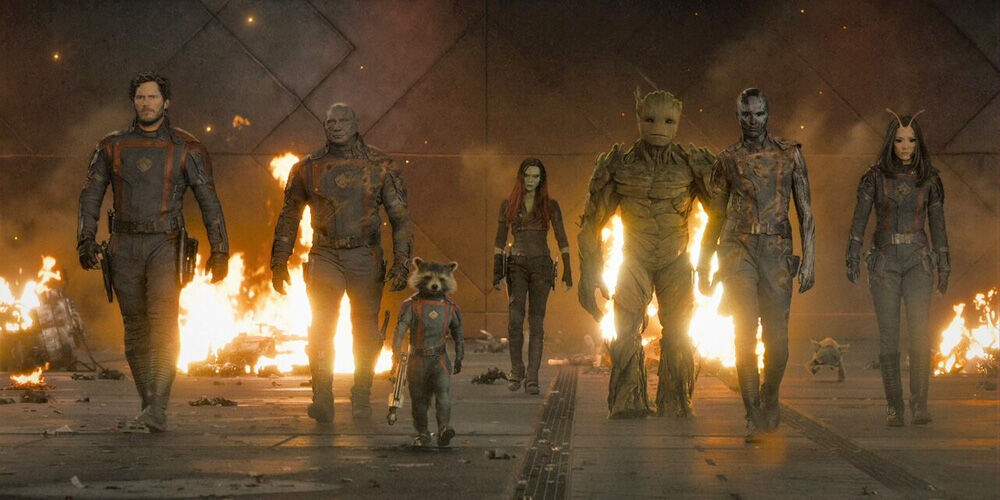
#39: RUSTIN - 1 nomination ★★
Unlike The Color Purple, Rustin casts the talented Colman Domingo in a role he can sink his teeth into. He gives a fine performance despite having to navigate a woefully mismatched cast (Chris Rock, Yikes!) and just plain terrible direction from New York Theater hero George C. Wolfe—how any film director can make the 1963 March on Washington feel anticlimactic is beyond me. Everyone here does their level best to give the overlooked civil rights hero Bayard Rustin his due. But this well-meaning picture has a script by the lem'me-show-ya-how-to-write-a-really-terrible-biopic screenwriter Dustin Lance Black (Milk, J. Edgar), which feels like the product of some Bizarro World Robert McKee seminar where the objective was to write a movie with not one actable scene. With all he's got working against him in this effort, Domingo deserves some love and recognition.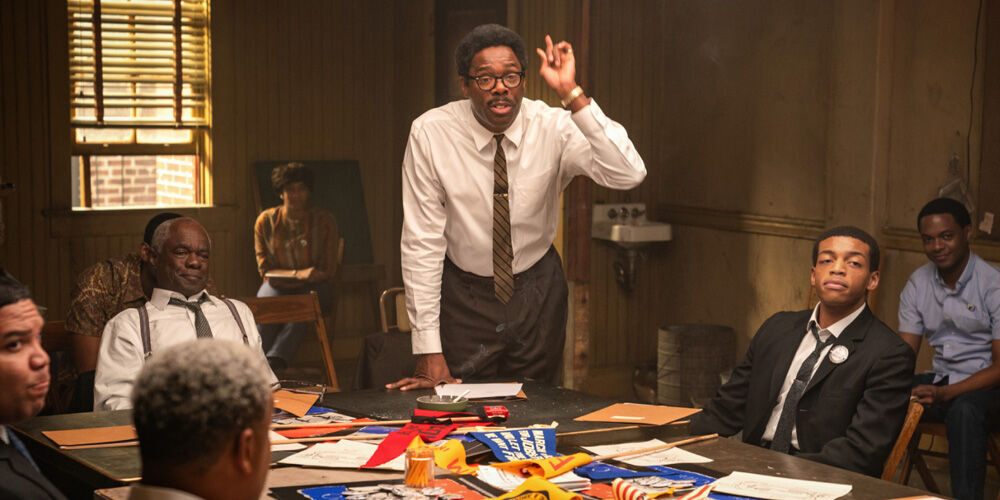
#38: ELEMENTAL - 1 nomination ★★
Pixar rehashes many themes of their prior year's offering, Turning Red, this time with a more abstract, less on-the-nose tale of growing up as a child of immigrants. The quasi-interracial-young-adult romcom is set in a fantasy city where the elements of fire, water, earth, and air are given the full Disney anthropomorphization treatment, though the screenwriter kinda forgot there are four elements, not just two. The level of storytelling here isn't exactly Romeo and Juliet—it's not even Lady and the Tramp—and too much about this narrative, the protagonists, and the central thematic analogy don't coalesce. In a world with only four types of people, we only get to know the fire and water folks; the earth people are barely even referenced. This lack of fantasy cultural development seems strange coming from a studio that usually creates such fully realized environments. The animation and character design are lovely, but the characters themselves are underdeveloped. Hardly worthy of Best Animated Feature.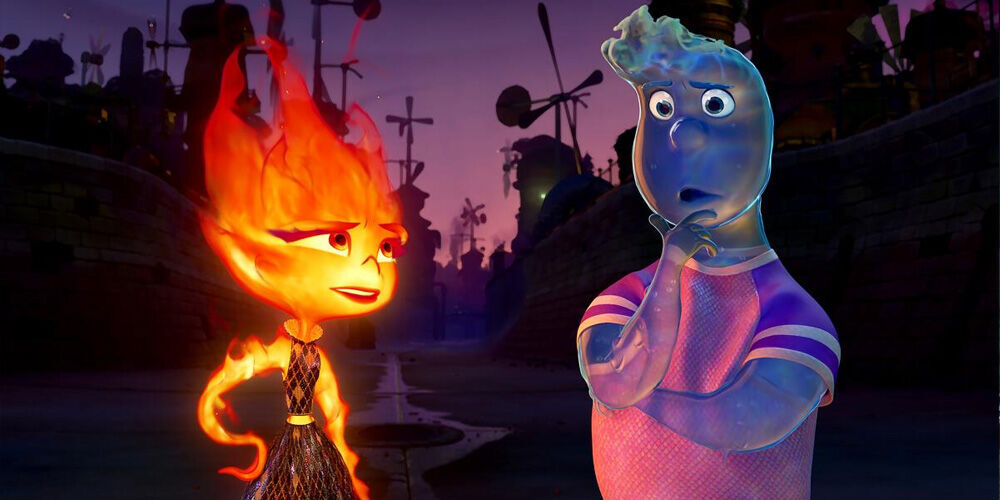
#37: SPIDER-MAN: ACROSS THE SPIDER-VERSE - 1 nomination ★★
There are things I can appreciate about these Miles Morales Spider-Verse movies, but like so many modern animated features, there are just too many ideas, too much imagery, too much overt messaging, and just too much. A film writer I really love, Nick Davis, wrote in his three-and-a-half-star review of the first Spider-Verse film, “Watching this still feels like pounding Mountain Dew non-stop for two hours that feel much closer to three.” I can’t say it better than that. But since I'm not a film professor like Nick, I don't have to give it three-and-a-half-stars and fall all over myself trying to find positive things to say so my students won't discredit everything else I want to impart to them. Still, I know my negativity about this beloved movie, and every other film on the first part of this list, might cause some to stop reading. But if you've made it this far, we're almost out of the tunnel of darkness, I swear!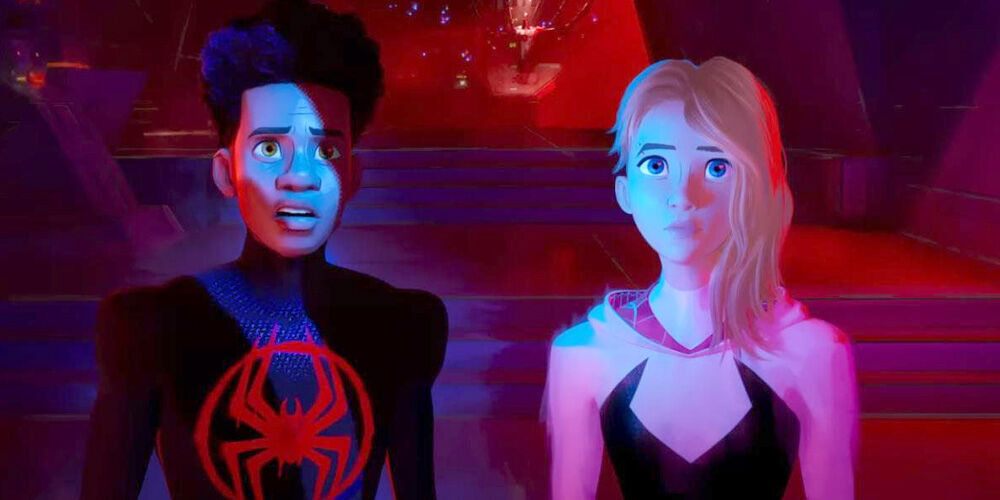
#36: THE ETERNAL MEMORY - 1 nomination ★★
As I noted in my introduction, there were so many fine celebrity-driven biographical documentaries this year that I was sure at least one would be nominated. But of all the strong docs that scored a nom, Maite Alberdi's intimate window of how Alzheimer's disease slowly takes over the marriage of Paulina Urrutia and Augusto Góngora is the only one I wish was more personality-driven. The subjects of this film are key figures in Chilean history, and it seems a missed opportunity that the film views them as an “everycouple,” devoting so little screen time to the vital roles they each played in their country's history. Especially considering the film's title, I don't think it belittles anyone struggling with dementia to focus on what is being lost as the specific individual at the heart of the picture is deprived of the chronicle of national events once contained in his mind.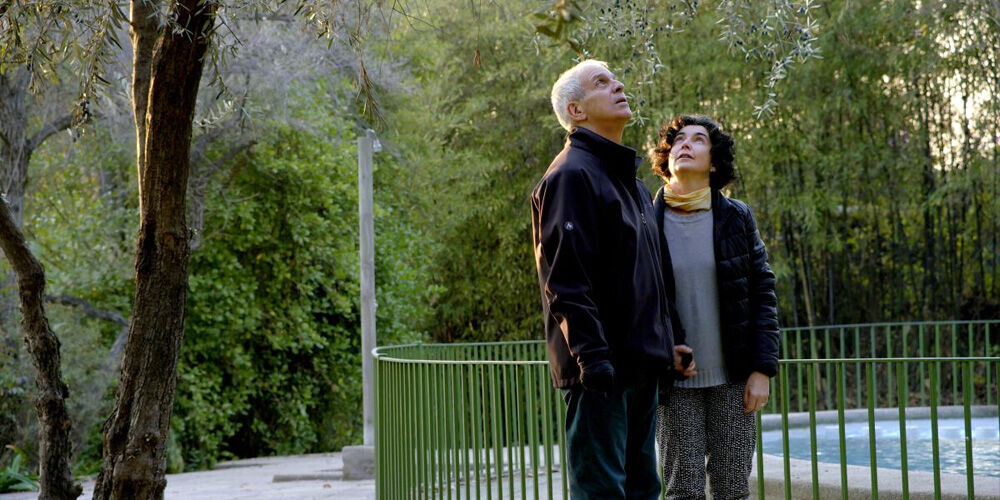
#35: AMERICAN SYMPHONY - 1 nomination ★★
One biographical documentary that did get nominated, not for a documentary award but for Best Original Song, is Matthew Heineman's film about an unimaginably intense year in the crowded life of musician Jon Batiste. Over the course of the film, we watch Batiste as he threads the needle of the multiple communities he belongs to, gets nominated for 11 Grammy Awards over five or six different styles of music, works as the musical director on The Late Show with Stephen Colbert, and creates his first symphony—all while supporting his wife Suleika Jaouad as she deals with a recurrence of leukemia. The most moving scenes are those of Batiste and Jaouad at home and in the hospital as he attempts to support her through her painful procedures and as she takes vicarious delight in his many successes—offset with notes of regret that she can't be there to experience much of it with him. But American Symphony hints at the better movie it could have been during the brief glimpses it gives us of Batiste dropping his smiling, top-of-the-world persona and just sitting with how difficult it is for this man to maintain the many identities and roles society wants of him. This I’m-dancing-as fast-as-I-can quality almost comes out musically when we hear the magnum opus he premieres at Carnegie Hall—which is trying to encompass nothing less than "the entire musical diaspora" into one night of music—but I'm pretty sure the film intends to present this high-stakes night as a triumph. Regardless of what you make of the finale, which is memorable, but the nomination is for the end title song, “It Never Went Away,” which is not.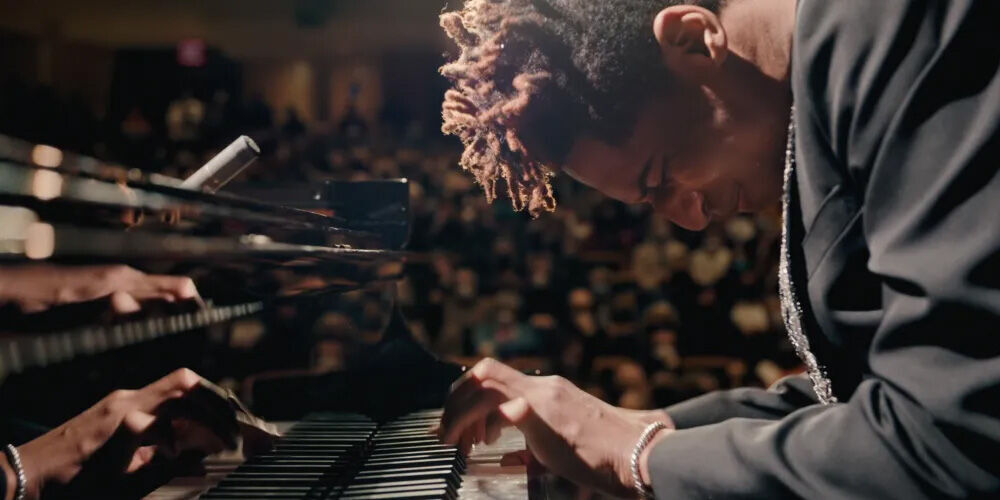
#34: NǍI NAI & WÀI PÓ - 1 nomination ★★
It seems each recent collection of Oscar-nominated documentary shorts starts out with a simple, personal, familial portrait, and this one from Sean Wang is warm and sweet without being cloying. The unseen but frequently acknowledged director visits his widowed maternal and paternal grandmothers, who now live together and care for each other as platonic pals of advanced age. With their distinctly Asian spin on the Boston Marriage, these two lovable ladies keep each other in high spirits while they contemplate their impending mortality and look back on difficult lives they are nonetheless grateful for. On its own, I would probably give this film three stars, but as an Oscar-nominated short, it’s just too slight. As with Jay Rosenblatt's How Do You Measure A Year from the prior year’s selected group, this "documentary" feels too much like the Academy nominating people's home movies, which are more fitting for a YouTube Creator Award.
#33: BARBIE: - 8 nominations ★★
The year's biggest movie was a triumph on many levels, scoring several nominations, including Best Picture, Supporting Actress for America Ferrera, Supporting Actor for Ryan Gosling, Adapted Screenplay for Greta Gerwig and Noah Baumbach, Production Design for Sarah Greenwood and Katie Spencer, Costume Design for Jacqueline Durran, and two for Original Song—“What Was I Made For?” by Billie Eilish and Finneas O'Connell, and “I'm Just Ken” by Mark Ronson and Andrew Wyatt. The screenplay and production design awards feel especially appropriate for this story about Barbie and Ken leaving the magical, colorful, seemingly ideal world of Barbie Land and coming to contemporary America.
Gerwig's big swing starts out as if it might actually transcend the fake corporate feminism of Mattel's Barbie Doll philosophy and make a subversive film that deconstructs that whole mythos while still being a fun night out at the movies. But then Barbie walks into Mattel headquarters and meets its CEO, played by Will Ferrell, followed by an encounter with a group of tween girls who criticize her in a “comically” precocious manner for all the harm her unrealistic beauty standards have caused. Within a span of five minutes, the “real world” suddenly becomes as unreal as the “Barbie world,” and the film instantly devolves into one of those single-joke, extended comedy skit movies that can't sustain a feature-length running time. I honestly believe the casting of Ferrell in his well-worn disingenuous buffoon screen persona is the film's fatal mistake. After the Jacques-Demy-and-John-Waters-fell-into-a-cotton-candy-machine spell cast during the first forty minutes is broken, we suddenly feel like we're in an Adam McKay movie. And the film never recovers from this detrimental piece of casting because the story must, necessarily, become more didactic from that point on. It should never feel preachy, but too often it does.
The film's mildly pedagogic moralizing, unfortunately, extends to America Ferrera's big “Oscar speech” moment, which is key to making the entire film succeed. If you feel it works, the movie will work for you. If you feel it doesn't land, as I do, the movie ultimately won't work for you, regardless of all the many other aspects of the film you might enjoy. Gerwig sets her film and Ferrera up for the impossible task of summing up womanhood for all women of all generations and all identity groups. That's a huge challenge, and even though I feel the film misses the mark, I appreciated the attempt. Ferrera is still a great choice for her role, as is the hilarious Gosling, as are all the other inhabitants of Barbie Land and Southern California. While this is not a film I liked with anywhere near the affection I hold for Gerwig's first two directorial efforts, Lady Bird and Little Women, and I fear this runaway success may lead to yet another loss of a great indie filmmaker into the void of Intellectual Property Cinema, I can't say I'm not happy for our girl Greta. 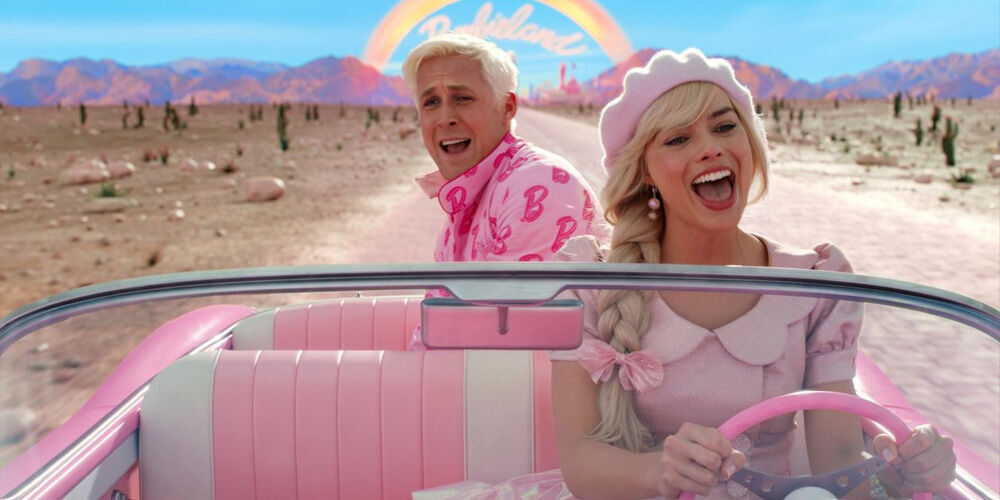
#32: OPPENHEIMER- 12 nominations ★★
As much as I love seeing a three-hour R-rated historical drama shot and released on celluloid IMAX becoming a massive commercial hit, I wish Christopher Nolan could have, just this once, abandoned his narrow, gimmicky approach to storytelling and worked with a real screenwriter to adapt Kai Bird and Martin J. Sherwin's book American Prometheus into a film for the ages. But one thing I will say for Oppenheimer is that it is an ideal Best Picture winner for 2023. This is a movie about possibly the single most critical event in the history of human civilization that somehow builds to a Senate confirmation hearing in which someone who is barely a secondary character in the story of the Atomic Bomb may or may not have his political ambitions thwarted. When we consider the challenges world civilization faces versus what our political leaders and news outlets are focused on 24-7, how can this not be seen as the film that best epitomizes our current era? But it also demonstrates an act of surrender from a screenwriter so incapable of finding a cinematic narrative within the mountain of historical research in his source material that he falls back on the tropes of a dozen West Wing episodes.
Robert Downey Jr. certainly gives an excellent performance as J. Robert Oppenheimer's political antagonist, Lewis Strauss, but since the elevation of this character to an almost co-lead is at the heart of what I find so objectionable about this movie, I will have a hard time when he wins, which he will. Similarly, as much as I love Emily Blunt, how is this long-suffering wife role any different than a thousand other long-suffering wives in biopics about the deeds of great men? If Blunt wins, Sally Field should be pissed! Cillian Murphy, who I also think will win, is the most deserving of accolades for this movie. His performance—both internally, in terms of making such an enigmatic man so interesting, and externally in terms of his distinctive physicality—keeps us riveted for the full three hours, even those of us mentally cursing Nolan in our minds.
The technical nominations are harder to swallow, especially Best Cinematography for Hoyte Van Hoytema, who will also most assuredly win. For years now, this guy has been shooting movies with IMAX film cameras as if they were a plastic Holga. You know those YouTube tutorials that teach you how to film a professional-looking interview?—ya stick your camera on a tripod, center your subject squaring their head and shoulders, place a big ‘ol single light source off to one side of their face, and you're all set—swap your DSLR out for a giant 15-perf IMAX film camera, and you've basically got the visual style of Oppenheimer. Ever wonder why Nolan and Van Hoytema are able to shoot such long and complicated movies so quickly? It's because they don't bother with trivial things like lighting. They just use the sun or a single giant glowing lantern, and they're all set. These folks sure have a funny way of celebrating the artistry of the medium they are trying to save, but I'm still glad they are trying to save it. Maybe soon, we'll get to see some real cinematic artists working in IMAX.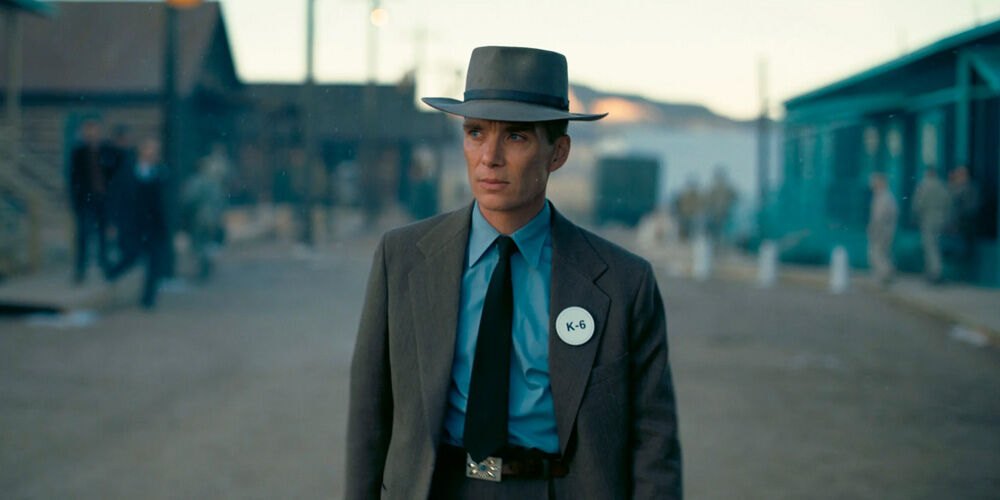
#31: LETTER TO A PIG - 1 nomination ★★+
Yes, I'm ranking director Tal Kantor's not especially remarkable animated 17-minute short above Christopher Nolan's inevitable Oscar-sweeping Oppenheimer. The simple reason is that this little film gave me a bit more to ponder than the epic about the father of the Atomic Age. A different kind of WWII story, the inherent metaphors in this little story are never heavy-handed while also not frustratingly ambiguous. The film depicts an elderly Holocaust survivor telling a class of Israeli schoolchildren how a pig saved his life when Nazis chased him as a young boy. The kids do not seem all that interested until the man gets into his desire for revenge. When one girl dozes off and dreams of her own pig, we get a sense that she may have drawn a different moral from the story than her classmates. The film's quasi-pencil-sketch rotoscope approach is at times striking and at times bland. It does seem stylistically innovative enough to merit a Best Animated Short Oscar, but the story's subtle metaphors stayed with me.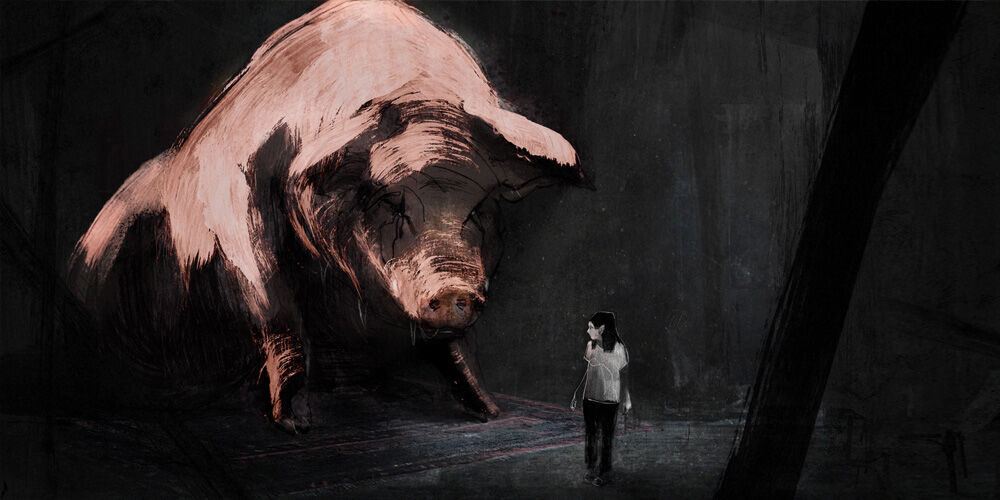
#30: ISLAND IN BETWEEN - 1 nomination ★★+
Cinematographer and director S. Leo Chiang reflects on his birthplace, the islands of Kinmen, in this personal short doc about the group of landmasses that sit just two miles off the Chinese mainland but are an extension of Taiwan. Kinmen has been a consistent source of military tensions between the two nations, but until COVID-19, it also attracted tourists from both sides who came to marvel at its unique history and some scenic remains from the 1949 Chinese Civil War. Chiang's father served on Kinmen during that time, and the islands could become a place of battle again due to the escalating tensions between Taiwan and China. Short docs often blend mini-history lessons with personal stories, and this film fits within that tradition. I knew nothing of the Kinmen Islands and found Chiang's connection to them interesting. His identity has fluctuated depending on which of the three passports he holds feels the most relevant to him at different times in his life. If his film has any political agenda, it's simply a desire for peace presented in a far less pretentious way than War is Over.
#29: THE BOY AND THE HERON: - 1 nomination ★★+
Hayao Miyazaki returned from one of his many retirements to make this hit fantasy tale about a boy growing up during WWII who discovers an abandoned tower in the town he's relocated to after his mother's death. Several encounters with a pesky, talking grey heron lead the kid to enter the fantastical world within the tower. The screenplay draws heavily from Miyazaki's childhood, growing up during the war with a father employed by a company manufacturing parts for fighter planes who took his son away from the city after losing his mother to live in the relative safety of the countryside. It explores themes of coming of age and coping with significant loss during a time of complex conflict, creating an often wondrous world of beguiling images. But the loose narrative makes the picture a bit of a slog. Shifting back and forth between feeling listless and overwrought, it aims for the type of mysterious majesty of Miyazaki's Spirited Away but ends up feeling more like Ralph Bakshi and Daniels teamed up to remake Miyazaki's 2001 masterpiece.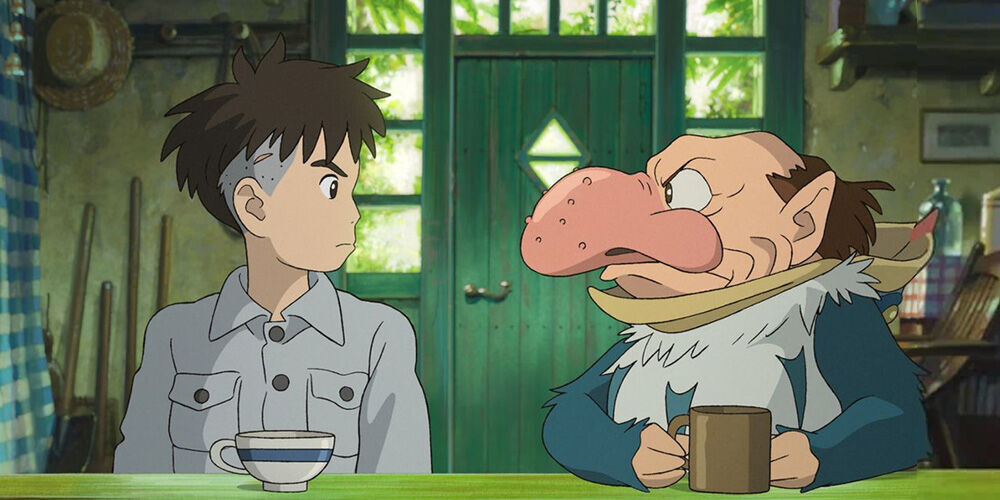
#28: KNIGHT OF FORTUNE - 1 nomination ★★+
This Danish short film by director Lasse Lyskjær Noer is a story of grief and loss with a distinctly Nordic, light, absurdist touch. Two strangers, both widowers of a certain age, meet in the bathroom of a morgue where they have come to bid farewell to their late wives. Winsome, underplayed performances help put across the unexpected revelation of an expected twist, but it's hard to picture this film taking home an Oscar.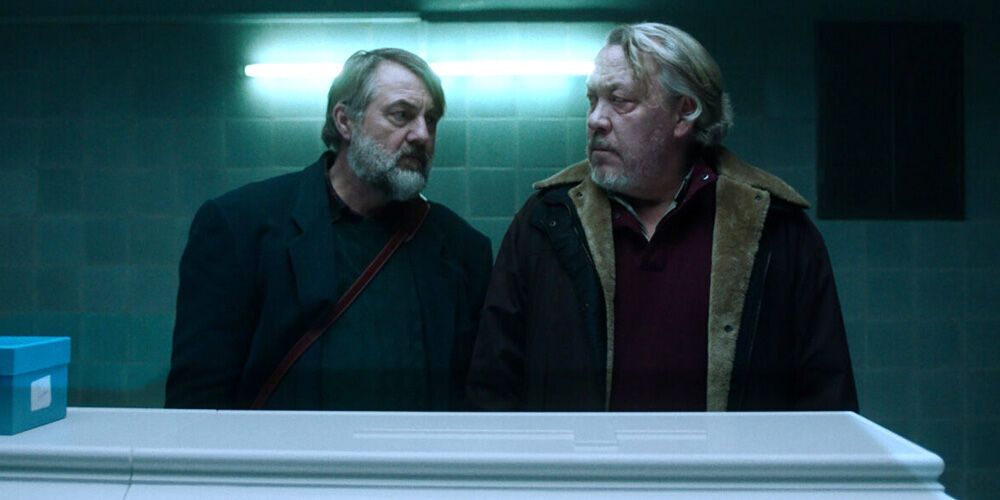
#27: MISSION: IMPOSSIBLE – DEAD RECKONING PART ONE - 2 nominations ★★+
Tom Cruise and Christopher McQuarrie bring back some of the fun that was missing from the prior M:I installment, but this film's ratio of long, poorly written, lazily photographed exposition scenes to exciting and well-executed stunts and action set pieces is far too heavily weighted toward the former. Still, the third-act train sequence is a tour-de-force of action directing and special effects. Comparing this train fight to the one at the beginning of Indiana Jones and the Dial of Destiny is like the difference between swimming in a crystal-clear lake and drowning in a muddy swamp. The main goal of special effects, especially in action movies, should be to make something impossible look credible, to make us believe that what we're seeing on screen really happened. It sure helps that Cruise is keeping himself alive and at the top of the box-office food chain by doing as much real-world stunt work as he can, but kudos should also go to the nominated Visual Effects and Sound artists who make it all work so well.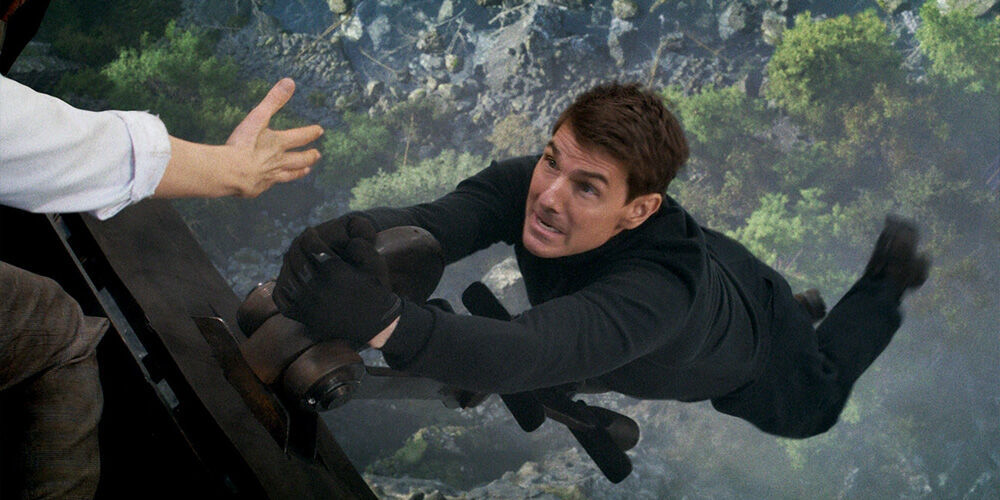
#26: THE BARBER OF LITTLE ROCK - 1 nomination ★★★
Sometimes, the best short documentaries are works of simple, unadorned journalism. John Hoffman and Christine Turner take this approach in exploring the racial wealth gap in America through a story about a school for barbers and a Community Development Financial Institution in Little Rock, Arkansas. The founder of both organizations, Arlo Washington, is devoted to uplifting his community in several ways, one of them through educating people on how the many financial engines that create generational wealth have been historically unavailable to Black folks and other minorities. The film is a great public service for building awareness of CDFIs, both to those for whom traditional banks are unwilling to make loans and to those who could park their excess cash in institutions like these, which may be far more values-aligned than the corporate financial institutions where most people of means house their cash. (Community Loan Funds and other CDFIs offer competitive interest returns and are extremely low risk.) Unfortunately, this 35-minute film is at least 5 minutes too long. As the movie becomes repetitive and redundant, the clarity of its points is diminished rather than reinforced—undercutting the power of what could have been a great short doc.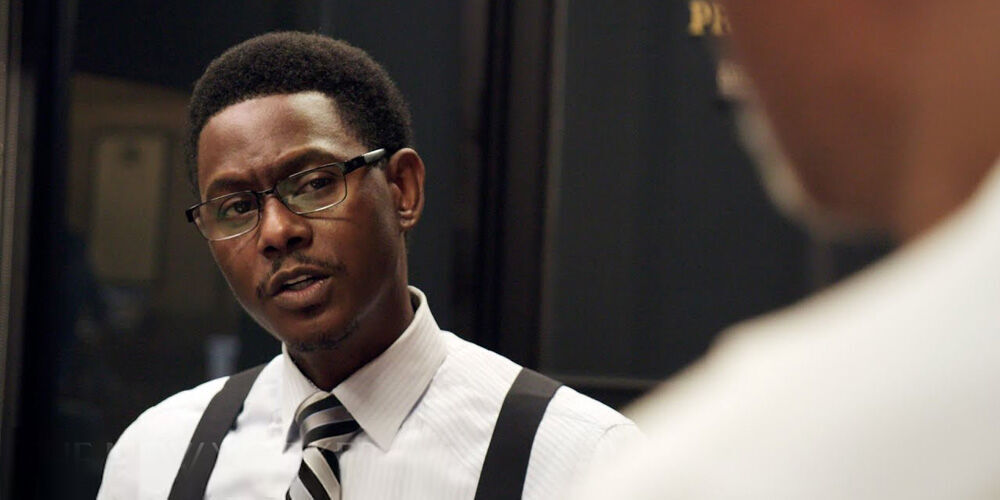
#25: NYAD - 2 nominations ★★★
Not since 2011's The Iron Lady and 1990's Reversal of Fortune has a film this substandard been rendered this good by performances this enjoyable! Husband and wife documentarians Elizabeth Chai Vasarhelyi and Jimmy Chin (Free Solo, The Rescue, Return to Space) bring their same frustrating directorial aesthetics to their first narrative outing. But the film's flaws don't matter half as much as they should because the two outstanding central performances keep us fully engaged. The story aligns with the type of subject matter these filmmakers are drawn to for their docs, a highly motivated extreme personality pushing themselves to the limit of their abilities to pursue an unprecedented goal. In this case, the character at the center is sixty-year-old Diana Nyad, the long-distance swimmer who set multiple records in her youth and retired from the sport after failing to swim from Cuba to the Florida Keys when she was twenty-eight.
Many Oscar obsessives may vilify Best Actress nominee Annette Bening, as she surely edged out Margot Robbie for a spot in this list. But Bening is the kind of Hollywood royalty Robbie is rapidly becoming. I hope Robbie is still getting nominated when she's 65, and I hope people celebrate it rather than deride it. Let's not forget that most Oscar voters are older folks, too, and they love rewarding a puttin'-it-all-out-there turn from one of their own. But the real joy of this picture is Jodie Foster, nominated for her Supporting Actress role as Nyad's best friend and coach, Bonnie Stoll. Of all the characters Foster has played since becoming an adult, this is how I imagined any of the spunky, wiseacre Disney kids she played in her youth might have grown up to be like.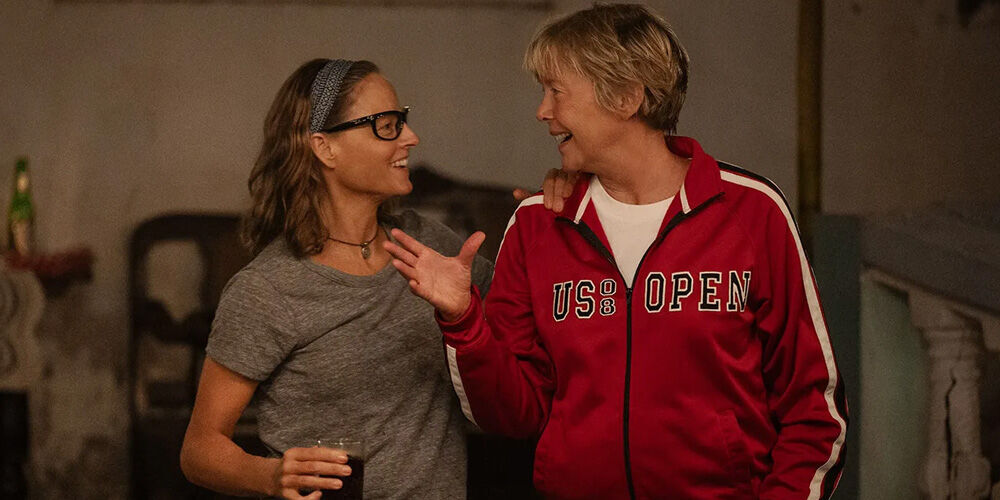
#24: INVINCIBLE - 1 nomination ★★★
Québécois writer/director Vincent René-Lortie’s short film, possibly inspired by the suicide of someone he knew well, utilizes its tight 30 minutes to imagine the last two days of a troubled teenager's life. Léokim Beaumier-Lépine plays Marc-Antoine Bernier, a 14-year-old boy on a weekend leave from a detention center who can no longer tolerate being locked up, literally or figuratively. The acting is powerful, the depiction of mental illness is perceptive, and the direction is sharp. Invincible may not be the best Oscar-nominated Live Action Short of 2023, but it is far more effective and memorable than the other options not made by a well-established filmmaker working for a company with unlimited funds. Since winning this award can be a great boost to a young, talented director's career, René-Lortie’s movie would be a deserving winner.
#23: NINETY-FIVE SENSES - ★★★ - 1 nomination
While this is not one of those Oscar-nominated Animated Shorts that requires a little break at the end of the program where parents can rush their young children out of the theater before the R-rated entry stars, this whimsical life story takes some unexpected dark turns. Tim Blake Nelson provides the voice of the Good Ole Boy storyteller, who looks back at his life via tales that involve his five senses. Directors Jared and Jerusha Hess, who wrote Napoleon Dynamite, utilize six different animation styles created by six different animation teams to illustrate the distinct ways each of our primary senses evokes strong memories. Animated films that rely on wall-to-wall narration from a celebrity narrator don't always work for me, but this one did. 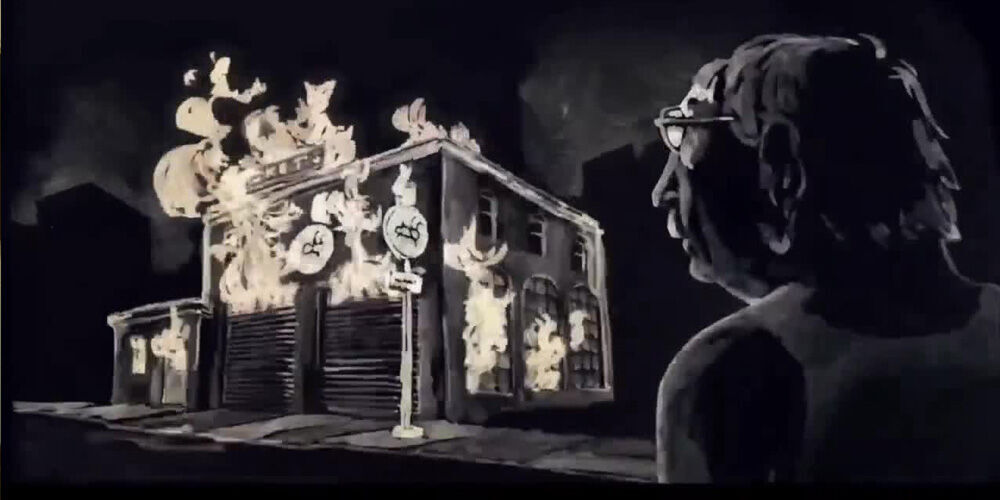
#22: SOCIETY OF THE SNOW - 2 nominations ★★★The incredible, oft-told true tale of the 1972 "Miracle of the Andes" flight disaster and survival story is far more difficult to translate into cinematic terms than it might seem. Spanish writer/director Juan Antonio Bayona is the latest in a series of nearly a dozen filmmakers to take it on. Past filmed versions of the story exist on a spectrum ranging from exploitation to reverence. Nominated for Best International Feature as well as Makeup and Hairstyling, this fictionalized adaptation of Pablo Vierci's intimate book is the most respectful version yet—perhaps a little too respectful.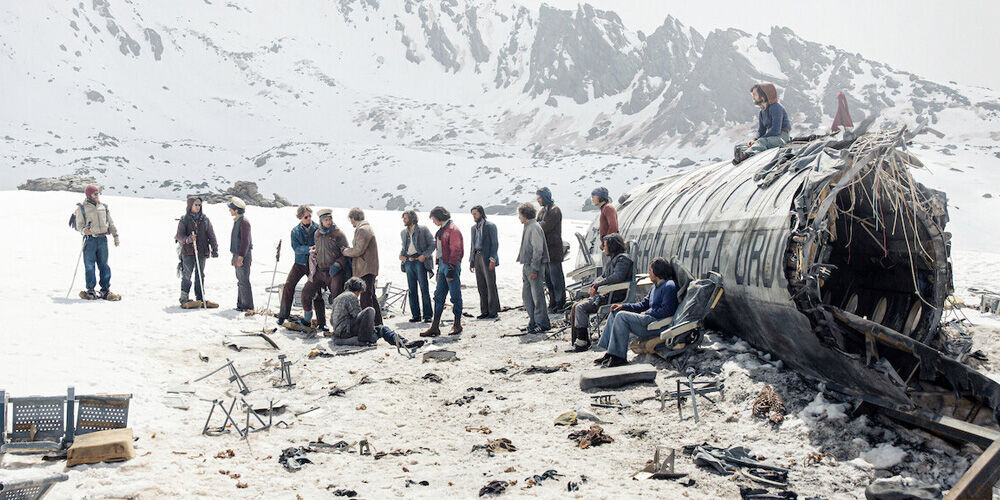
#21: THE ZONE OF INTEREST - 5 nominations ★★★
Jonathan Glazer's loose adaptation of Martin Amis's 2014 novel plays like an attempt to dramatize Hannah Arendt's conception of "the banality of evil" or the heart-stopping line John Huston delivers near the end of Chinatown, "Most people never have to face the fact that at the right time and the right place, they're capable of anything." Glazer utilizes the conventions of slow cinema to ease us into the family life of Rudolf Höss, the longest-serving commandant of the Auschwitz concentration camp in Nazi-occupied Poland. As we watch him, his wife and their children enjoying their bourgeois lifestyle, we wonder: are these people monsters? Are their children? How many appalled audience members sitting in the theater with us would adapt as seemingly effortlessly as the Höss family did? Would we? No one wants to think that, but all evidence suggests that the number who would is a hell of a lot more than people like to admit.
In addition to Best Picture, Director, Adapted Screenplay, and International Feature, sound designers Tarn Willers and Johnnie Burn are nominated for the film's complex, subdued, yet ominous Sound. All the technical craft on display in this picture is excellent; you don't have to wait to see or hear direct references to the inconveniences of abutting a death factory for this movie to get under your skin. But the film feels like it would have been far more revolutionary if it came out thirty or forty years ago. The concepts it's presenting, and even its style of putting them across, are hardly new. In that way (and only that way), the movie resembles Best Picture winner Driving Miss Daisy, a film that might have felt incredibly powerful had it been released in 1969 instead of 1989. But don't get me wrong, I'm not a Driving Miss Daisy hater; I think it's a good movie, and I think The Zone of Interest is powerful and intriguing. I just believe there are other films this year that ask similar questions in a deeper, more artfully confrontational way.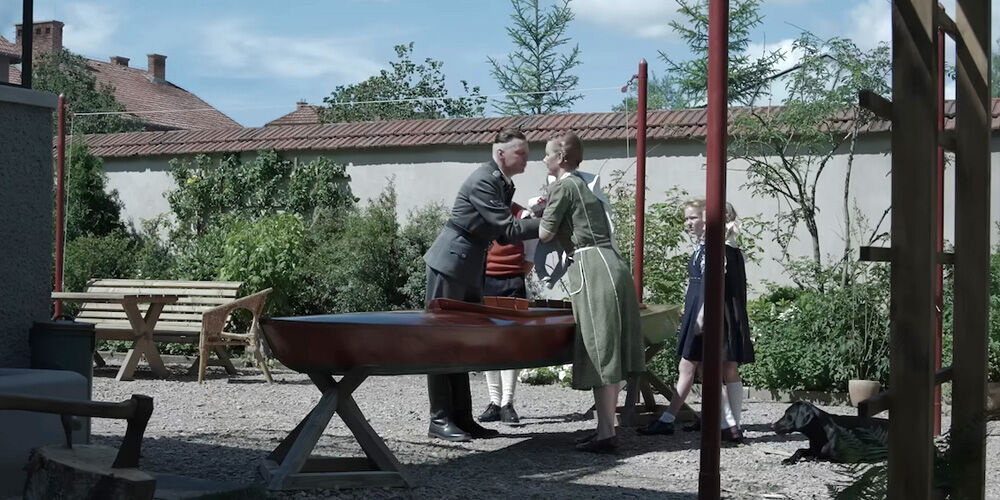
#21: PACHYDERM - 1 nomination ★★★
Another picture set largely in a house that oozes ominous vibes is Stéphanie Clément’s memory film about a young girl and the “monsters” that haunt her bedroom when she visits her grandparent’s country home. Nothing in the film is overtly stated, but everything is eerily present under the surface. The image of the nine-year-old protagonist melting into her bedroom wallpaper is a perfect metaphor for how this little girl wants to disappear and how the recollections of the adult narrator have been partially submerged. The clever title also implies an elephant in the room that is never directly addressed. Clément’s shimmering animation style is as understated as her narrative approach.
#20 GODZILLA MINUS ONE 1 nomination ★★★
Aside from the first Godzilla movie from 1954 and the original 1933 King Kong, I've never been a giant monster movie fan. Be they of the old-school guy-in-a-rubber-suit variety or the modern CGI explosion fests; these pictures tend to bore the hell outta me. But Toho Studios’ 70th-anniversary prequel to their genre-defining kaiju creature feature classic is an exception. Takashi Yamazaki's monster melodrama cleverly centers the story on a "family" created as much by the fallout of World War II as is the titular creature. The Oscar-nominated Special Visual Effects found a way to depict a version of the iconic monster rendered via state-of-the-art CGI yet still looking a lot like a guy in a big, awkward rubber suit. It is a wonderful concoction. While nothing in the film is as photorealistic as the dinosaurs in Jurassic Park—thirty years old this year and still the gold standard for this type of effects picture—this movie feels like a worthy successor to that ground-breaking film as much as to the original Godzilla.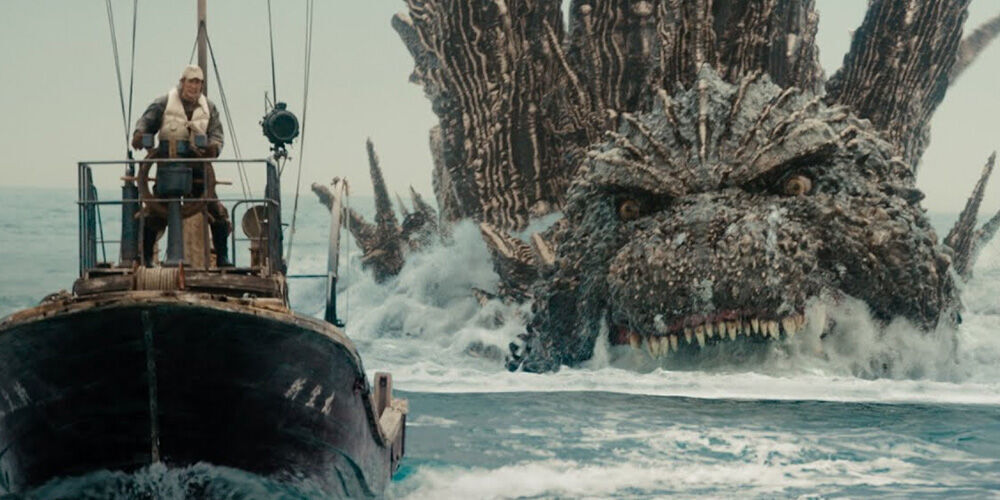
#19: PERFECT DAYS - 1 nomination ★★★
Another Japanese picture, this one nominated for Best International Feature, comes via the great German filmmaker Wim Wenders. The director best known for Paris, Texas and Wings of Desire was invited by producer Koji Yanai to create a film or series of short films about the Tokyo Toilet Project, an initiative in which sixteen designers from around the world were invited to reimagine several Japanese public toilets with outstanding results. Wenders and co-writer Takuma Takasaki craft a beautiful story of a man of few words who finds fulfillment in his work cleaning these lavatories and takes great pleasure in the beauty he sees all around him.
In addition to the pride the country must take in the innovative ways artists and architects have reconceptualized the aesthetics of public facilities in a capital city known for its hospitality, Japan certainly selected this as its International Feature submission because it stars national treasure Koji Yakusho. The actor best known for his lead roles in Shall We Dance?, Babel, 13 Assassins, The Third Murder, and Under the Open Sky gives a largely silent performance that transcends a few notes that ring just a little sharp or flat in this ode to simplicity. 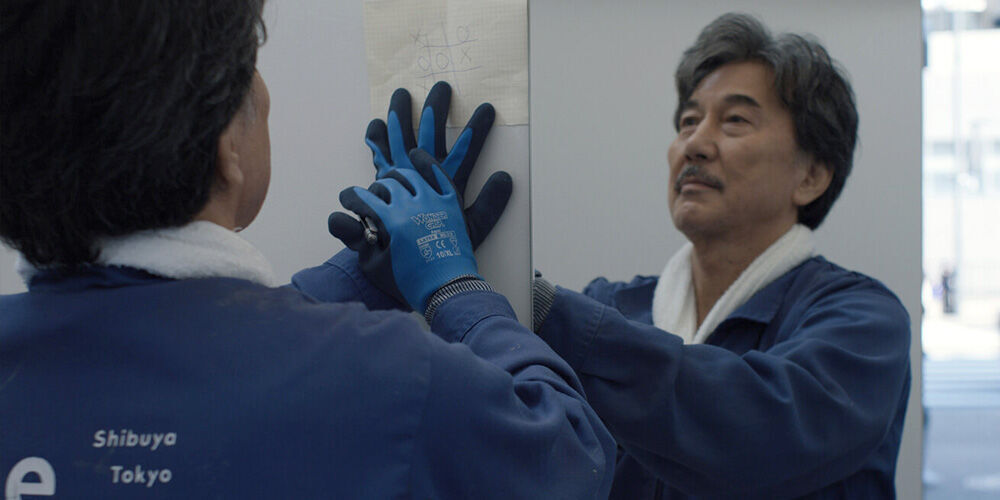
#18: MAESTRO - 7 nominations ★★★
From the minimalist direction of Wim Wenders, we shift to the flamboyant direction of Bradley Cooper. After showering accolades on A Star is Born, Cooper's début as writer/director, critics and audiences were a little cooler to his sophomore turn behind the camera. But that didn’t stop this passion project from getting nominated for Best Picture, Original Screenplay, Actor, Actress, Cinematography, and Makeup and Hairstyling. Rather than go the traditional biopic route with this movie about legendary American conductor, composer, pianist, and music educator Leonard Bernstein, the director focuses on the unique marriage between Bernstein (Cooper) and his lovely and intellectual actress wife, Felicia Montealegre (Carey Mulligan).
Sidestepping the many trappings of the biopic genre doesn't always mean a filmmaker can escape them, and Maestro is not a film that succeeds at everything it takes on, but I sure admire the attempts! It's highly possible the film will leave the Dolby Theatre empty-handed, as has occurred in many precursor award ceremonies. But Makeup and Hairstyling nominees Kazu Hiro, Kay Georgiou, and Lori McCoy-Bell created the greatest old-age makeup I’ve ever seen in a movie, and it would be a crime for anyone else to win that particular award. The cinematography by Matthew Libatique, known for his collaborations with Spike Lee, Darren Aronofsky, and Cooper (previously nominated for A Star Is Born and Black Swan), more than deserves a spot on this roster. I hope Cooper doesn't get too discouraged if he doesn't win any of the three awards he's personally up for. He's a talented filmmaker and I look forward to more passion projects from him.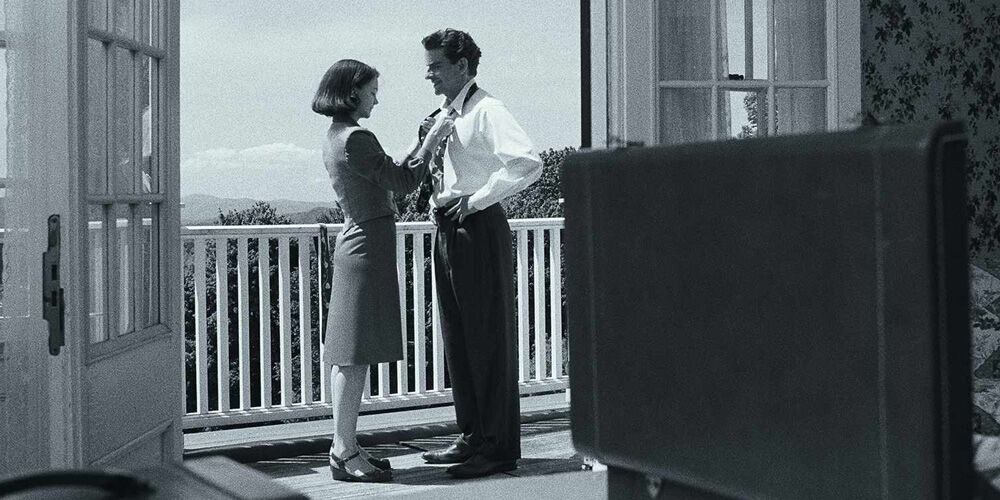
#17: AMERICAN FICTION - 5 nominations ★★★+
Like Maestro, Cord Jefferson's directorial debut is a film I enjoyed a lot but have a hard time seeing as a Best Picture contender. Visually plagued by its indie-movie limitations, everything feels like it was shot around the availability of locations at times convenient to a busy A-list cast. But what a cast! Jeffrey Wright, nominated for the first time after 30+ years of terrific work in movies, plays the kind of gruff, disgruntled, lovable dick that the Academy loves to reward with the Best Actor prize. Playing an African-American author whose books don't sell because they aren’t “Black enough,” Wright mines much humor in his character's indignation.
I've not read the book Jefferson's nominated Adapted Screenplay is based on, but I understand it's a lot more caustic than this film. But what I like so much about this picture is that it tricks the audience into thinking it's going to be a broad satire, but it's really the type of comedy Hollywood doesn't make much anymore—a fairly straightforward story about normal people with one heightened comic conceit. I think the film would have been tedious if it had overcranked its satirical elements. Satire feels empty when it shows you something you can already see with your own eyes, and it's downright annoying when it underlines things that are already bolded, capitalized, and followed by multiple exclamation points.
Jefferson gets to have his cake and eat it too by making a movie that will draw in the masses of white middle-class moviegoers who skip straightforward family and romantic comedies about Black people but will come to see a movie like Sorry To Bother You, Dear White People, or BlacKkKlansman. The film lures viewers in with the promise of barbed social commentary and then mostly delivers the type of straightforward comedy that doesn’t get much of an audience anymore. Supporting Actor Sterling K. Brown, also nominated for the first time, has done more nuanced and demanding work than in this film, but it's great to see this talented performer score with the Academy.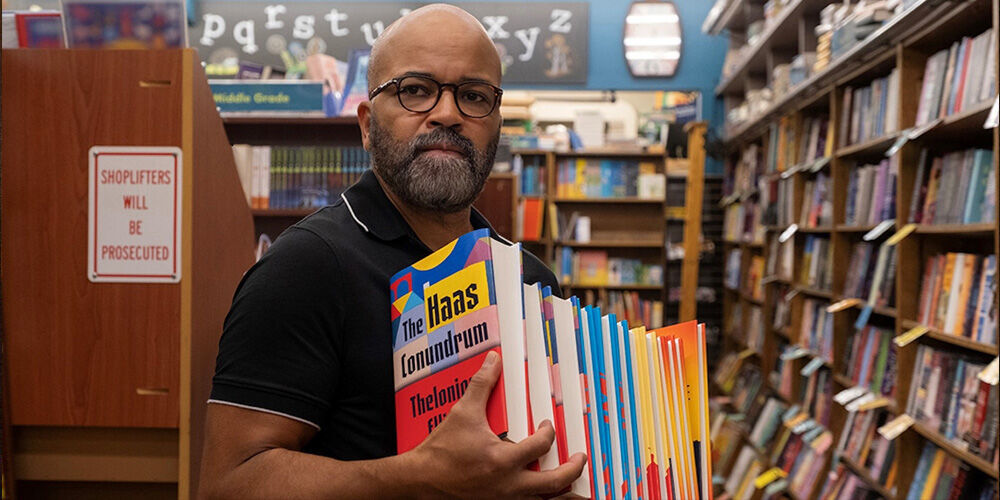
#16: OUR UNIFORM - 1 nomination ★★★+
The most personal, seemingly handmade, and briefest of the 2023 Oscar-nominated Animated Shorts is Yegane Moghaddam’s account of growing up female in an Iranian school where she had to conform to strict dress codes. This film is not a polemic against the hijab or people who wear it but a playful expression of a young girl dreaming about the freedom to manifest her individuality. The abstract characters are animated over backgrounds that appear to be various different types of fabric. I assume everything in the picture was rendered digitally and not hand-animated by Moghaddam placing handstitched 2D characters on top of materials like silk, denim, corduroy, etc., but that's sure what it looks like. Regardless, this is an inventive and distinctive style that captures the viewer and gives us a brief snapshot of the creator's personality and culture. I'm not an animation connoisseur by any means, so I can't really judge the uniqueness of this film, but it's been ages since I saw something that felt so original in this Oscar category.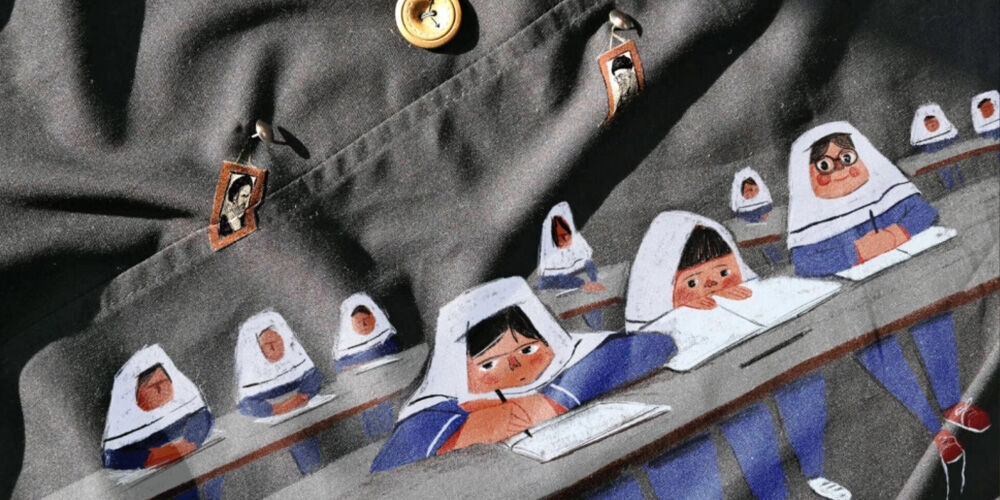
#14: TO KILL A TIGER - 1 nomination ★★★+
In this Best Documentary Feature nominee, Nisha Pahuja tackles the thorny issue of rape culture in rural India. The story centers on a farmer named Ranjit going outside village customs to pursue legal justice for his 13-year-old daughter after three older boys rape her on the way home from a wedding celebration. The documentary is most interesting because it primarily consists of conversations. To Kill a Tiger is a story of a sexual assault in which we never witness the incident. It's a courtroom drama where we don't set foot inside the court. It's an exploration of the inner workings of a highly insulated society's hive mind where all of the deliberation and processing of information occurs off-screen. The bravery it takes for a simple man like Ranjit to go against the long-standing traditions of the only culture he's ever known, and of his daughter to consent (once she turned eighteen) to have this film released, is something a Western moviegoer can only attempt to comprehend. To Kill a Tiger is an infuriating picture because of the issue it tackles, yet it's a film that strikes an optimistic note because of the individuals at its center.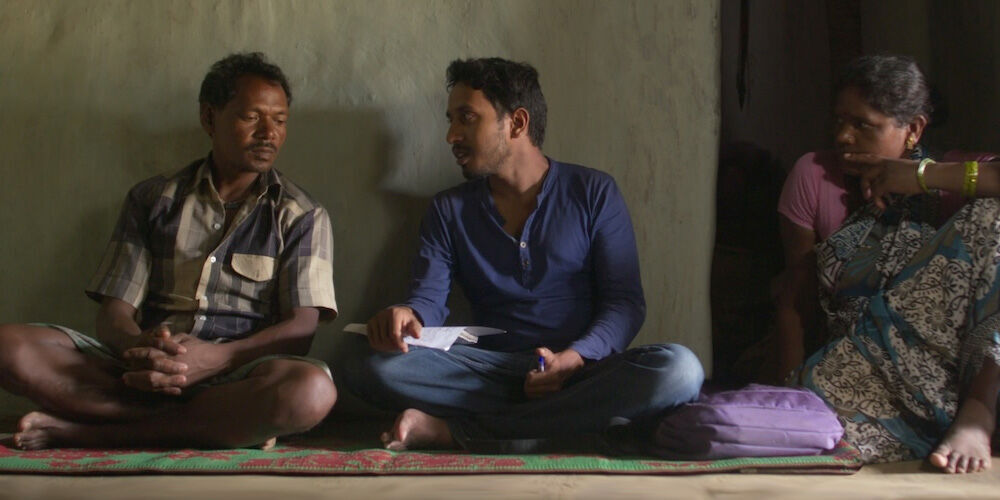
#13: THE LAST REPAIR SHOP - 1 nomination ★★★+
The best entry in the rather unimpressive crop of 2023 Oscar-nominated Documentaries Shorts does one of the things short docs can do best—provide a number of brief but meaningful snapshots of interesting lives within a unique and compelling context. In this film, we meet four memorable characters whose life journeys have landed them in an LA warehouse where they repair and maintain more than 80,000 musical instruments for public school students.
The Last Repair Shop informs us that the Los Angeles Unified School District has the largest remaining program in America that provides free musical instruments to students. In addition to the fascinating folks who fix these woodwinds, brass, strings, and pianos, we meet some of the students who are the beneficiaries of their loving restorative work. All the interview subjects share stories of the diverse roles music has played in their lives. Like the best short docs, The Last Repair Shop reminds us how many seemingly ordinary folks might have a fascinating life story to tell if we stopped to ask.
This is not the kind of movie that typically wins an Oscar, but I appreciated how handsomely the interviews were photographed, how simply the subjects' backstories were illustrated, and how the ending captured the extensive range and influence of the program it was exploring. There are so many documentarians who unwisely believe that their projects need to be feature-length in order to mean anything, when in fact, the short form would serve their subject so much better (Lisa Hurwitz's 2021 film The Automat springs to mind). Directors Ben Proudfoot and Kris Bowersrior, prior nominees in this category, understand that small stories are often best told within a short running time. I didn't love their previous collaboration, A Concerto Is a Conversation (2020)—and Proudfoot recently (and deservedly) won this award for his 2021 short, The Queen of Basketball. Still, of the year's crop of short docs, this would get my vote.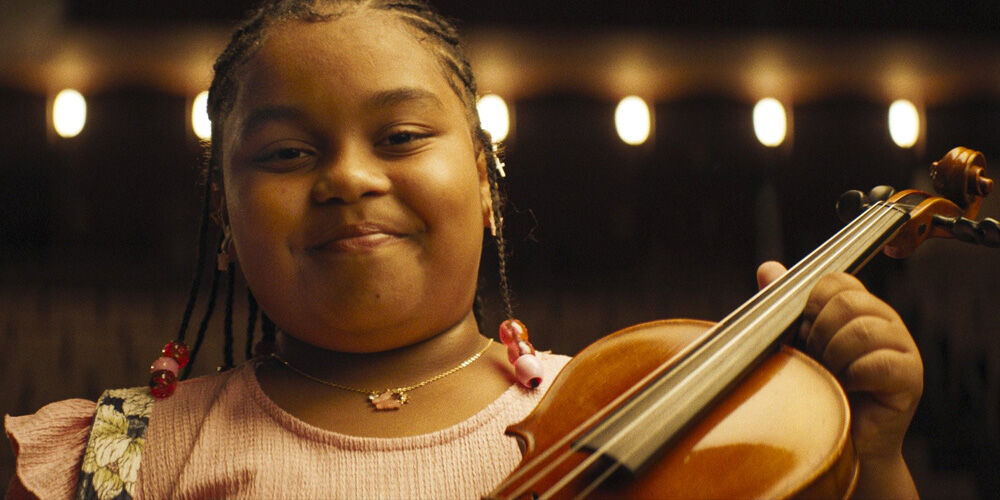
#12: BOBI WINE: THE PEOPLE’S PRESIDENT - 1 nomination ★★★+
With phenomenal access to a dynamic subject, Christopher Sharp and Moses Bwayo chronicle the presidential campaign of the popular, ghetto-born Ugandan pop singer and parliamentarian. It is another nominated Documentary Feature that could fall into the category of biographical doc, but that is only because its subject is such a young man. The film is much more the chronicle of a political campaign, a social movement, and an artist whose message inspires his people. Bobi Wine is also a rare combination of idealist and pragmatist. He's painfully aware that the entrenched autocratic president he’s running against, Yoweri Museveni, was a member of the National Resistance Movement in 1996 when he first came to power, promising to restore security and respect for human rights. So Bobi, a positive, inspiring, pro-democracy candidate, knows full well that power corrupts and can turn a young, freedom-loving revolutionary into an old, brutal dictator.
The film is enriched not only by intimate and often shocking you-are-there footage but also by Bobi Wine's music. Even the Wash-Your-Hands-Wear-A-Mask PSA ditty he wrote during COVID-19 is a damn catchy tune. The film is nominated for Best Documentary Feature, which was won last year by another film about a popular, charismatic opposition leader challenging a brutal and nearly all-powerful totalitarian leader—Daniel Roher's Navalny, whose titular subject died in a Russian prison exactly one week before this year’s Oscar nominees were announced. Especially now, watching Bobi Wine: The People's President fills one with a similar sense we got from Navalny, an unusual blend of hope for and futility about the future.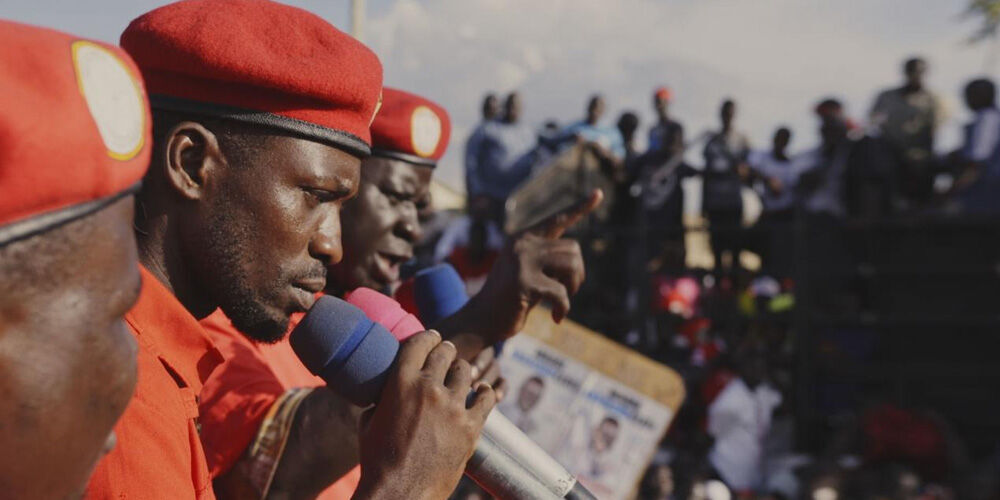
#11: MAY DECEMBER - 1 nomination ★★★+
I was surprised this terrific film only got one Oscar nom, but when I considered that it's essentially a movie about an actor who might not have too much substance, capitalizing on the trials and tribulations of real-life people, all in the name of an obviously horrendous biopic/docudrama, I realized I shouldn't be all that surprised that the Academy didn’t fully embrace it. But I'm thrilled it got the nomination it most richly deserves: Best Original Screenplay. I personally believe this award should, more often than not, go to the writer of a spec script that was good enough to get read and loved by many in the film industry, land on the Blacklist, get optioned and developed by producers, etc., rather than to an original script by a writer/director.
Former casting director-turned-screenwriter Samy Burch's writing process is character-forward, which yields a most unusual "issue movie." Her script is ideal material for director Todd Haynes, who has made a career in what could primarily be described as "unusual issue movies." If I had been an Academy member, I would have also nominated the three leads. In this film, we might be seeing Natalie Portman's greatest performance and Julianne Moore's weakest performance—though that's a backhanded critique since there are no bad Julianne Moore performances, and her character here is intentionally opaque. The third exceptional turn in the film comes from Charles Melton, who provides this intentionally heightened picture with its only understated qualities.
May December is another big-swing picture of 2023. Portman, an actress with a mild lisp, plays an actress without much of a lisp, trying to embody a woman with a pronounced lisp! Haynes shoots the film’s signature head-on mirror shot of the two women as if he were Ingmar Bergman directing an episode of Desperate Housewives. But it’s Burch, who wrote the story with her husband, Alex Mechanik, who should get the lion's share of the glory. She came of age during the tabloid '90s, and her script has plenty to say about how our culture consumes the media and how we assume to know everything about people and events based on the little bits we glean from television and now from social media. But none of this sharp commentary is foregrounded in this picture. May December is a sneaky triple-character-study that pulls the viewer in slowly as we observe behavior rather than exposition or overt moralizing.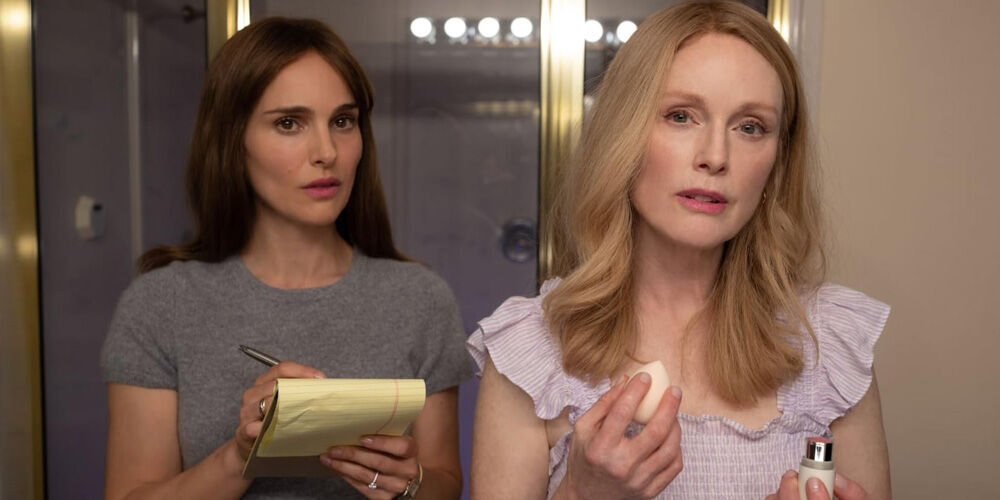
#10: THE WONDERFUL STORY OF HENRY SUGAR - 1 nomination ★★★+
Wes Anderson had a dang good 2023. His 11th feature, Asteroid City, was one of his best pictures. He was also the beneficiary of Netflix's largess when the streaming behemoth spent $686 million on the Roald Dahl Story Company—the body that monetizes the works of the late great British author and, presumably, is also responsible for the expurgating of words and passages in these works that are now deemed inappropriate for contemporary readers (changes no doubt made for reasons of profit not integrity). Anderson, whose 2009 stop-motion animated feature based on Dahl's Fantastic Mr. Fox is another of the director's best offerings, was invited to create four short films based on the author's short stories. The most outstanding of these, by a country mile, is The Wonderful Story of Henry Sugar.
To tell Dahl's cuttingly witty tale of a wealthy man who reads about a guru who can see without using his eyes and sets out to master the skill himself so he can cheat at gambling, Anderson employs his usual dioramic visual aesthetic and nesting doll approach to storytelling. Ralph Fiennes, Benedict Cumberbatch, Dev Patel, Richard Ayoade, and Ben Kingsley take turns telling the story as the characters they play, while production designer Adam Stockhausen's 2D sets are shuffled hastily around them, complete with squeaks and bangs. Anderson's multiplane dollhouse style, oh-so-precious deadpan humor, and use of artificiality to mine real humanistic truths are a great fit with the caustic Dahl. It's also just as ideally suited to the short film format as it is to stop-motion animation. The style Anderson employs in each of his movies can become oppressive and overbearing at feature length—see the director's overcrowded anthology picture The French Dispatch (2021) to get a sense. But at 39 minutes, with just five characters, it's a gosh-darn delight!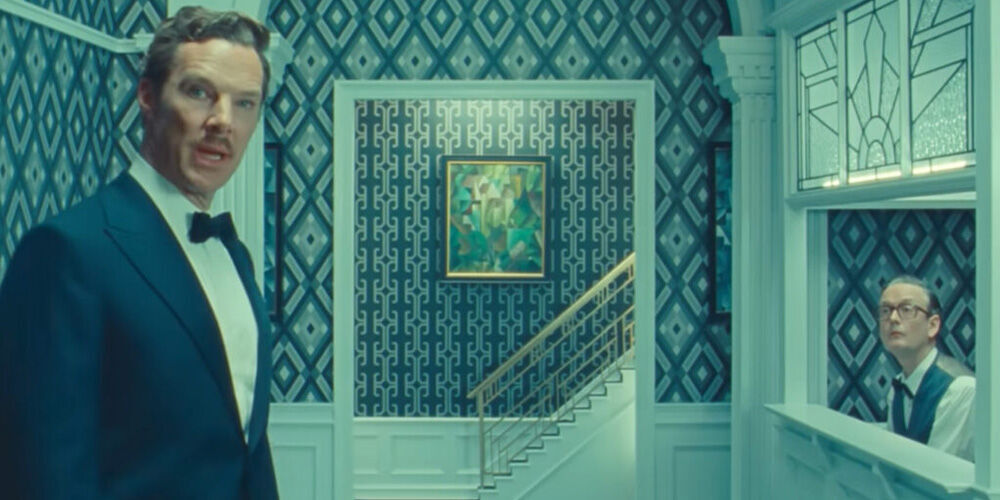
#9: THE HOLDOVERS - 5 nominations ★★★+
Speaking of delights, it was great to see Sideways director Alexander Payne and star Paul Giamatti reunite for this delightful throwback to the early '70s about a curmudgeonly prep school teacher stuck watching over the students who remain on campus for Christmas break. Unlike the many ambitious surprises of this year, The Holdovers gave us exactly what we expected from it. Because of this, I didn't anticipate the level of praise this film got from critics and audiences, but I won’t knock it. Giamatti is a much-loved actor whose been nominated once before for Supporting Actor in Cinderella Man (2006), but I would have bumped four of the five folks up for Best Actor in 2004 to get him the more deserved nom for Sideways. So this is a rare instance where winning the Best Actor award would still be a bit of a “makeup Oscar,” but not one that feels undeserving. Co-star Da’Vine Joy Randolph has cleaned up across the awards circuit, winning Best Supporting Actress practically every week! She’s on fire and is a lock to take home the little gold guy.
David Hemingson is also up for Best Original Screenplay; Kevin Tent is up for Editing; and the film is up for Best Picture, which would give prolific producer Mark Johnson his first Oscar win since Rain Man. Is The Holdovers a great film? Not really. But it possesses a charming, comforting, and even refreshing predictability. We know exactly where this movie is going to end up as soon as it starts, just as we know what type of character Giamatti is going to be before he makes his first entrance. The Christmas setting enhances this awareness since we pretty much know how nearly all holiday movies will play out before we buy our tickets. But that doesn't stop us from returning repeatedly to the ones we love. This movie may well become one of those Holiday traditions, especially for sardonic New Englanders.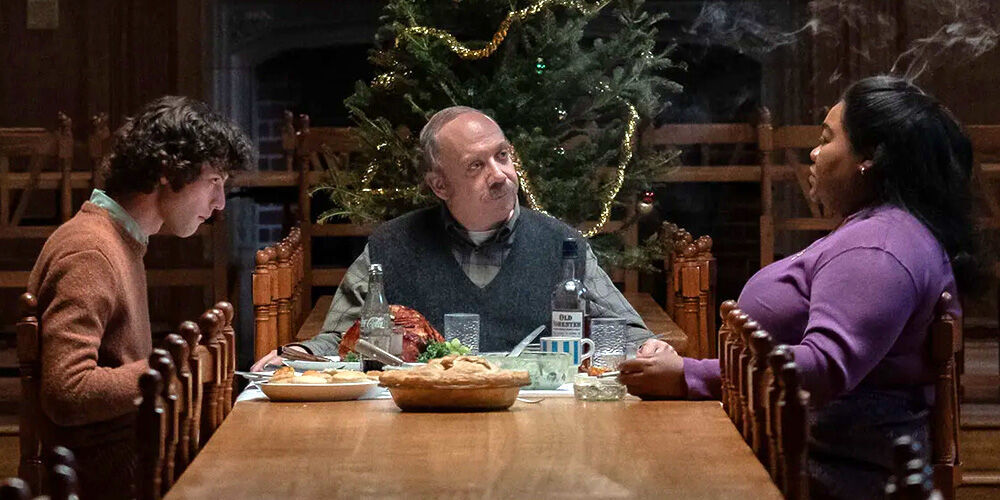
#8: IO CAPITANO - 1 nomination ★★★★
First-time actor Seydou Sarr gives one of the best juvenile performances in a year of extraordinary turns by kids and teens in Matteo Garrone's riveting, exquisitely shot film about two Senegalese teenagers who attempt a harrowing journey from Dakar to Sicily. The boys don't fully realize they are joining the thousands of migrants who attempt to enter Europe without proper documentation and become victims of traffickers, police, mafia, and all kinds of predatory groups who have built a thriving illegal economy around the exploitation of undocumented immigrants. The boys are soon separated and imprisoned, barely escaping death multiple times. Fortunately, they are young and strong. This is especially true of Seydou, the film’s protagonist. The lead actor not only shares his character's name but also his seeming ability to handle whatever is thrown at him.
While the story is fictional, many of the incidents depicted feel drawn from real life. Occasionally, the film departs from its reality-based grounding, and we venture inside Seydou's mind for intriguing interludes that are literal flights of fancy. Nominated for Best International Feature, I personally would also have considered Io Capitano for a Cinematography nom. Watching a European-financed film set in this part of the world, made with a seemingly decent budget and shot with such vibrant digital cinematography, was thrilling to me, as most of the West African cinema I’ve seen in my lifetime was made with far more limited means. The use of drone shots in the sequence where the migrants cross the Sahara desert is breathtaking. Equally powerful are the close-ups of Seydou's face. The camera often lingers on his expressions as he takes in the extraordinary events he is experiencing. Yet, unlike another contender for this year's Best International Feature Oscar, Society of the Snow, this largely exterior picture understands there is more to mise en scene than high-angle drone shots and extreme close-ups of faces. Getting lost in these sundrenched sequences, I kept thinking, why would anyone want to watch fantasy confections like Dune 2 when they could watch something with real-world stakes like this?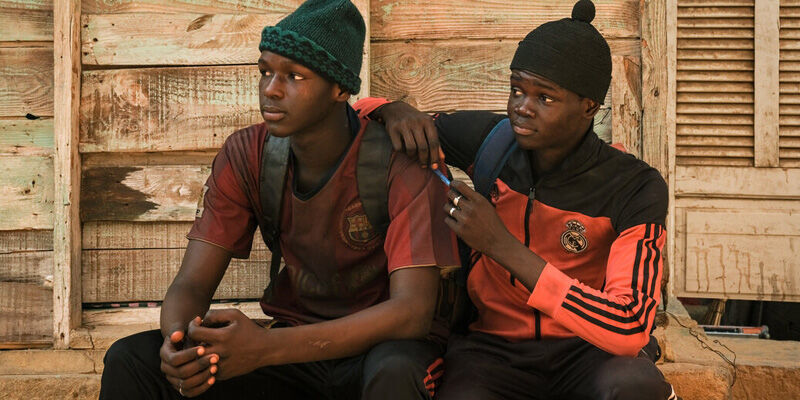
#7: 20 DAYS IN MARIUPOL - 1 nomination ★★★★
The real-world stakes don’t get much higher than in this nominated Documentary Feature from Mstyslav Chernov, a Ukrainian filmmaker, photojournalist, and war correspondent. Chernov presents his first-person account of the twenty days he spent with colleagues from the Associated Press in the besieged city of Mariupol after Russia began its invasion of Ukraine. Each year, we watch at least one of these first-person, on-the-ground accounts of the real-time horrors of warfare, captured in ways that would have been unimaginable in any previous era of cinema—From Restrepo (2010) to The Square (2013) to Last Men in Aleppo (2017) to For Sama (2019). With each subsequent film, I wonder for the first few minutes if I've become numb to the intended effect of witnessing such gruesome and upsetting footage. I’m not numb yet. But part of what is so vital about this latest entry in the long line of warzone documentaries is that it not only lands with its intended impact; it also powerfully and heartbreakingly questions what good the efforts of frontline journalists are if these conflicts are only getting worse. It further examines whether the risks and sacrifices taken by those who put their lives on the line to ensure the world doesn't turn a blind eye to the terrors of warfare are worth it if much of the public is going to just dismiss these visual records as "fake news."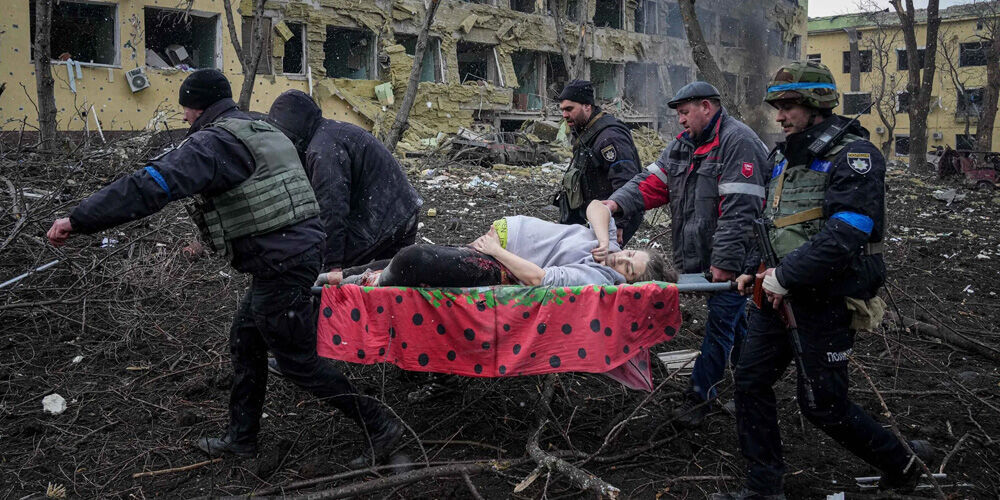
#6 FOUR DAUGHTERS - 1 nomination ★★★★
The year's most innovative and inventive Documentary Feature is Kaouther Ben Hania's film about a Tunisian family of women whose lives were torn apart by the disappearance of the two eldest sisters. I've always maintained that if documentarians need to resort to the use of reenactments to tell their story, they are telling the wrong story or using the wrong medium. But this is not a documentary that uses staged reenactments to tell its story; it is a documentary about the process of staging reenactments as its story.
So many contemporary films blend fact and fiction in ways I find gimmicky and unformed. The resulting pictures often seem to be far more about the filmmaker's process than the subject they are exploring, or they seem like mere therapy for the filmmakers or participants. Often, when watching such meta movies, I feel the story would be much better served by a simple, straightforward documentary or a fictional telling where more artistic liberties can be taken. But Four Daughters is a powerful exception to this trend. The inherent artifice of the production conceit, of the filmmaker inviting actors to help dramatize scenes from the family's past, actually enhances the authenticity of the thematic and emotional issues the film explores. The process enables the viewer to quickly move past the surface presentations to glimpse the core of what each participant in the film is thinking and feeling at given moments.
Ben Hania is able to confront all kinds of resonant issues in ways no just-the-facts doc could touch or fictionalized narrative entertainment could achieve, with such raw, visceral, and honest power. The film explores the distinct bonds of sisterhood, how femininity is warped by patriarchal culture, the impact of intergenerational violence on the ways children are brought up, and how giving voice to one's younger self can provide catharsis around traumatic events. Like another of this year's excellent documentaries, Subject, the movie explores the emotional cost inherent in participating in a documentary that reopens and examines old wounds. Like the year's best fiction film, Anatomy of a Fall, it explores the power individuals have in terms of how we choose to view members of our family who have made decisions or taken actions we'll never fully understand.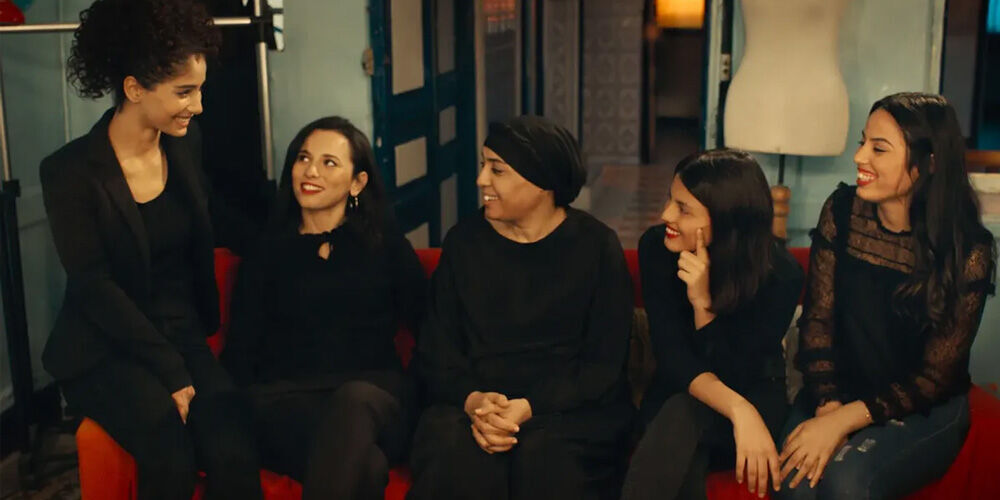
#5: THE TEACHERS’ LOUNGE - 1 nomination ★★★★
Germany's entry for the Best Foreign Film Oscar may be written and directed by a 40-year-old Turkish guy from Berlin, but it's the most Gen-X American movie I saw all year. The story of a grade school teacher who gets trapped between her ideals and a system that sets her up to fail perfectly captures what so many of the best pictures from 2023 excelled at. It criticizes contemporary society on a collective scale rather than the simple-minded singling out of bad actors. The film brilliantly conveys the absurd level of difficulty in being a grade-school teacher in today’s politicized, litigious, easily triggered era, and as the story progresses, we start to read everything unfolding at this school as an allegory for how contemporary society's overbearing power structures all but crush the populace. This small story, set in a familiar environment, provides an ideal metaphor for how institutions are growing increasingly authoritarian as they wield less and less actual power and are viewed with rapidly diminishing credibility.
In a performance worthy of a Best Actress nomination, Leonie Benesch gives a remarkably sympathetic performance as a good-hearted, progressively minded teacher trying to do right by her students, even though her responses are as ill-thought-out as they are priggish. She seems woefully naive, as if the righteousness of her motivations justifies her actions and will be enough to protect her and her students from all manner of repercussions. The film resonates so strongly with a middle-aged guy like me in part because I often feel surrounded by older and younger folks obsessed with assigning blame to others for the precarious state of the world, but not enough who seem willing to accept their role in creating and perpetuating the problems. The need to acknowledge collective responsibility and find options for how to act when such a concept seems impossible runs through so many of 2023’s best films.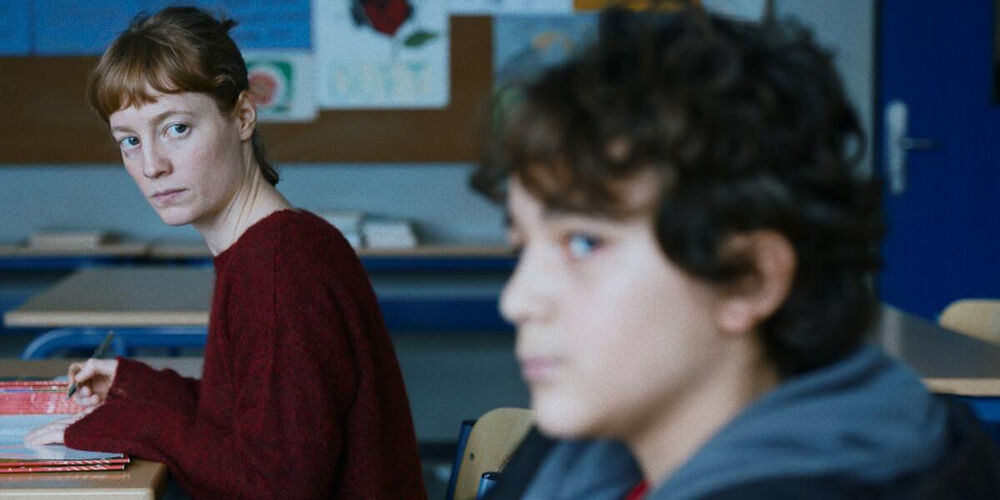
#4: PAST LIVES - 2 nominations ★★★★
One of the year's smallest yet most profound films was the debut feature from Korean-Canadian playwright Celine Song. Nominated for Best Picture and Original Screenplay, it is a rare film in which every character behaves in an exemplary way that manages not to fall into the aspirational storytelling style popular with so many of Song's generation. In that approach, fictional characters behave in such an exemplary fashion they fail to come off as credibly human, and the films lack dramatic tension. But this story about a married Korean immigrant reconnecting with her childhood sweetheart strikes multiple vibrant chords and demonstrates how autobiographical specificity can yield universal resonance. The three characters are pragmatic individuals—especially Song's surrogate, Nora—and they pursue their interpersonal connections without an overwhelming fear of making themselves vulnerable to potential, or inevitable, hurt and disappointment.
The filmmaking is as careful and sensitive as the protagonists. The choices Song makes in terms of composition: when to be long (that super high angle walk and talk!), when to be close, and how the placement of characters within the frames speaks volumes when they are unable to find words—all so simple but so thoughtful. Shot in 35mm by Shabier Kirchner (Lovers Rock), the film's warm texture doesn't exactly play as a counterpoint to the characters' feelings but supports every emotion in a subdued fashion. I think it’s worthy of a cinematography nomination and a Best Actress nomination for star Greta Lee.
But the nomination it deserves to win, and the one I knew it would get as soon as I first saw the film, is for its original screenplay. As I will state in the blurb about May December, I like when this award goes to a screenplay that is so well-written that it get the film made rather than to a shooting script created by an established writer/director who is going to get their next project made based on the strength of their past work as a filmmaker, not on the written document they plan to work from. I may feel that the best original screenplay of 2023 is Justine Triet and Arthur Harari's script for Anatomy of a Fall, but Triet is a renowned filmmaker who was likely going to get her next project made regardless of how artfully she rendered her screenplay. The script for Past Lives, on the other hand, is what got the film made and what made Song a film director. That's exciting. That's the power of great screenwriting.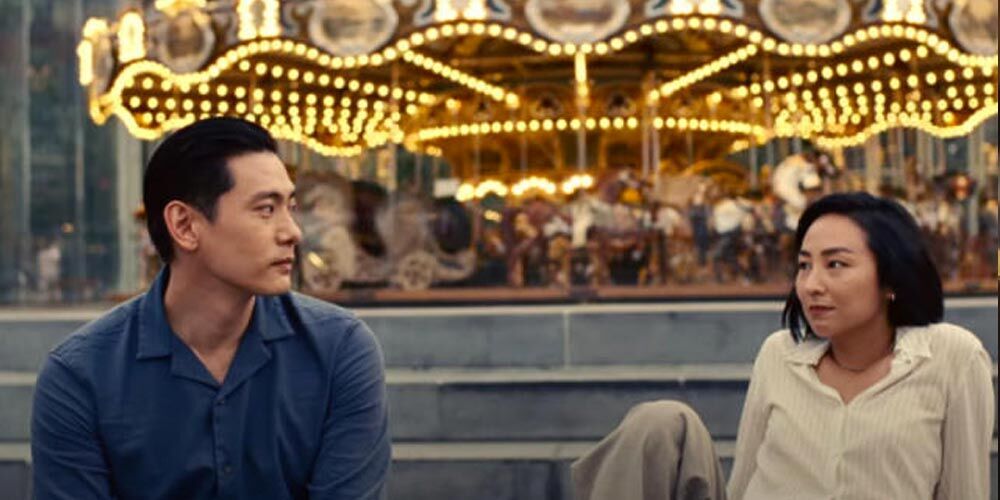
#3: POOR THINGS - 11 nominations ★★★★
It's surprising but thrilling that the second-most nominated film of 2023 is perhaps the biggest of the big swings taken this year by actors, directors, and film studios. Yorgos Lanthimos's adaptation of Alasdair Gray's novel is up for Best Picture, Director, Adapted Screenplay, Actress, Supporting Actor, Editing, Cinematography, Production Design, Costume Design, Makeup and Hairstyling, and Original Score. I’m rather stunned by the near-universal acclaim for this picture. I'm shocked by my own love for it. Of the near dozen films I went to this year expecting to dislike for one reason or another but ending up really digging—M3GAN, Blackberry, Beau Is Afraid, No Hard Feelings, The Unknown Country, Godzilla Minus One, Four Daughters, Aurora's Sunrise, Orlando My Political Biography, Nyad, American Fiction, The Iron Claw, and Flora And Son—this movie was the biggest and best surprise. Unable to avoid the trailer, I thought Poor Things was going to be like some relentless style-over-substance crap. But as ornately stylized as the film is, its design never overshadows the story and themes. On the contrary, the fanciful production works in conjunction with every other aspect to convey its clear but never didactic ideas.
Craft nominations are expected for a film this overtly designed. But the film’s greatest attribute is Best Actress nominee Emma Stone, in the greatest performance in a career that spans just 17 years. In my review of Stone and Lanthimos's prior collaboration, The Favorite, I described Stone as "somehow-still-surprisingly-excellent," indicating I still wasn’t taking her 100 percent seriously. Crazy! Never again. In a year I love for the risks filmmakers and actors took, the choices Stone makes in creating the role of Bella Baxter feel the most out on a limb. We first meet the character when she's at the developmental stage of a petulant toddler. Initially sheltered and sequestered in the home of her mad-scientist creator (Willem Dafoe under the striking, nominated Makeup and Hair and prosthetics of Nadia Stacey, Mark Coulier, and Josh Weston), Bella soon leaves the nest to travel the world on a voyage of self-discovery and intellectual, political, and sexual liberation.
Hilariously embodying everything silly, obtuse, and pathetic about the male of the species is Best Supporting Actor Mark Ruffalo. The Academy rarely rewards comedic turns, but I would so love for them to make an exception here and give this wildly exaggerated performance the award over the more controlled and stately turn from guaranteed winner Robert Downey, Jr. Ruffalo has been wonderful in lots of comedies and dramas, but nothing he’s done before prepared me for how much variation could be found in a role like this. Every time he came back on screen, I laughed. The ease at which his arrogant, self-satisfied cocksman deflates and withers feels honest and earned because Ruffalo's Duncan Wedderburn is no straw man villain, nor is he merely a one-note caricature. The way Bella follows him and then moves on is central to the pragmatic nature of her fiercely (but also naturally) independent character and the playfully subversive nature of the screenplay's social critique.
The film embodies many welcome returns of several cinematic trends that have been missing for over twenty years. A notable one is on-screen sex and nudity, which seemed to have been exorcised from American mainstream cinema due to the need to placate certain overseas markets and a segment of a young generation that honestly believes love scenes and nudity are always gratuitous, exploitative, and unnecessary to advancing a narrative. Many films of 2023 reminded audiences that stories about human beings should not exclude the bodies, passions, and the physical ways of connecting that make us human. The return to sex and nudity on the big screen may mean we're finally coming out of the neutered, sterilized superhero era of cinema and returning to the more complex filmed stories of prior decades.
Of course, sex has always been on movie screens for exploitative and sensationalistic reasons, but it has just as often been a vital component to great storytelling. Three examples from this year: the volumes of backstory that are revealed when Joel Edgerton disrobes for Sigourney Weaver in Master Gardener, the different ways Ben Whishaw and Adèle Exarchopoulos relate sexually to Franz Rogowski in Passages, and Jennifer Lawrence's naked beach smack-down in No Hard Feelings. Each of these moments told us far more about these characters than any dialogue scene, expository voice-over, or fade to black. The sex and nudity in Poor Things is vital to the journey of discovery its protagonist undertakes. Much of what puzzles Bella about the society she finds herself in is how illogically gendered it is and how sex is used to control and commodify.
Poor Things epitomizes a related distinctive cinematic trend of the year: societal critiques delivered with wit, simplicity, and even humility. Rather than point fingers at bad people in the most binary ways, many of this year’s movies made nuanced observations about collective responsibility in the society we exist in. Killers of the Flower Moon applies this critique on a grand historical scale. The Zone of Interest reduced it to the daily routines of a single family. The Teachers Lounge uses sharp allegory, and Poor Things employs a playful Victorian fantasy. I read Poor Things as a call to sanity for so many quarters. It is first and foremost “punching the baby” of patriarchy and long-outdated ideas about gender, class, and the way society is organized. But it also felt like a challenge to victim culture and a mild scolding of those who would build their identity around the traumas they've suffered—especially those who misuse the term “trauma” to describe things like having to watch a nude scene in public. I detected a distinctly old male-Boomer undercurrent in this film, which may not be surprising considering the majority of the folks who made it. But then again, everything about Poor Things, including the hefty running time, plays like a middle finger to those very same grumpy old, weak-bladdered men. The movie's narrative and subtext express a lot of righteous anger, as well as mischievous snark, yet these elements never prevent Poor Things from being the year's most joyful picture.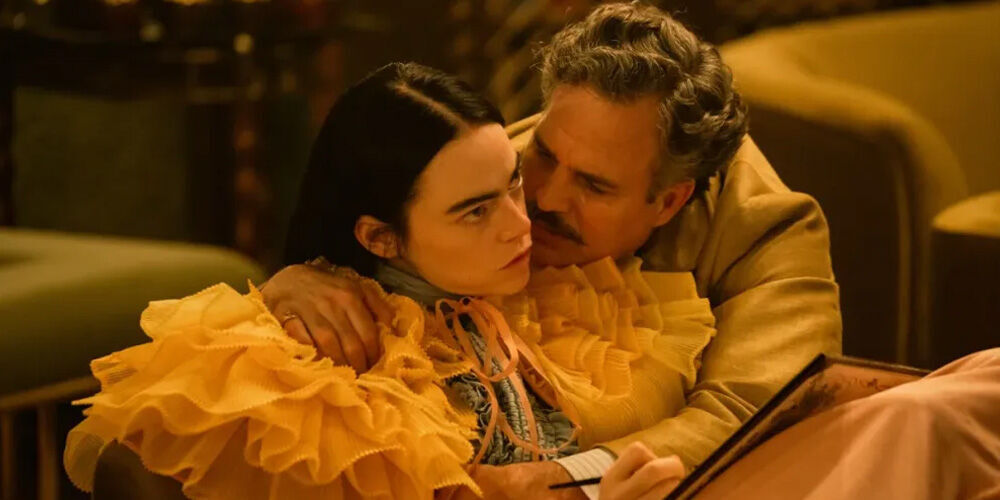
#2: KILLERS OF THE FLOWER MOON - 10 nominations ★★★★
There is perhaps no career in cinema history that refutes the idea that directors outlive their creative abilities once they pass a certain age more than that of Martin Scorsese. The twenty-sixth narrative feature from the eighty-year-old Scorsese is as vital and powerful as nearly any other film he’s helmed. The director’s first western is a historical murder story more unsettling than any of his great gangster films. Though nominated for Best Picture, Director, Actress, Supporting Actor, Editing, Cinematography, Production Design, Costume Design, Original Score, and Original Song, it’s not at all unlikely that this masterful movie could end up not winning a single Oscar. The Academy is famous for sleeping on Scorsese. Though nearly every one of his major films has been nominated for multiple awards, they rarely win.
I think it will take home one Oscar, Best Actress for Lily Gladstone. But unlike so many other races this year, this one is not a foregone conclusion. When I saw that Gladstone and the studio chose to run her in the Actress rather than the Supporting Actress category, I thought it was a ballsy move. When the film came out, it seemed like she could cakewalk to Best Supporting Actress, but Best Actress would be a bigger challenge. By the end of the year, with Oscar-baity lead actress turns than I expected and Da’Vine Joy Randolph sweeping the supporting category from every awards body, the choice to run as Best Actress seems savvier. Gladstone seemed like a lock to win for a while, but the unexpected love and honors for Poor Things, and specifically Emma Stone's lead performance, had made Stone vs Gladstone one of the few competitive Oscar races. Both performances are wonderful, but part of the very point of Killers of the Flower Moon is that our country's history has engineered a world where actors like Emma Stone get dozens of opportunities to win awards like this, and actors like Lily Gladstone rarely even get cast.
The two acting noms for this film are the right call, as Gladstone and Robert De Niro provide Killers of the Flower Moon with its best performances. But that's not a knock against Leo DiCaprio. He's another actor who made big, bold choices this year—practically committing to a Sling Blade impression for a 3-hour and 25-minute film! But what makes Gladstone and De Niro's work in this film so special is how understated their performances are. In perhaps the least visually dynamic movie in Scorsese's canon, these internalized performances fit the tone and story perfectly.
I wish the film had received an Adapted Screenplay nomination for the script Scorsese and Eric Roth crafted from journalist David Grann's historical account of the systematic murders of the Osage inheritors. It was controversial and distasteful to many that this movie focused on the white characters rather than the indigenous people. For once, this was a film Twitter dust-up that involved reasoned and intelligent discourse rather than just outraged hot-takes. But I think it was so important that Killers of the Flower Moon focused squarely on… the killers. We see the events of this story unfold through the perspective of DiCaprio's character, a willfully ignorant man. For such a long movie to center on such a largely passive protagonist is unusual, but it’s the primary source of the movie’s power. While this is a film about genocide and wicked men who destroy life and community for power and profit, the character we're given as our “hero” is the recipient of the spoils of these dark deeds, who tries to involve himself as little as possible in the bloodshed. Proud of laziness and his incuriosity, DiCaprio's Ernest Burkhart is a metaphor for, and an indictment of, how the United States has always operated and continues to operate. The film is ultimately about complacency. It's about how participating in or even just maintaining the status quo can be an act of violence. In the movie's devastating coda, Scorsese reminds us that history is written by the winners and that our most harrowing stories are often told for entertainment purposes by people with little to no connection to the events they recreate.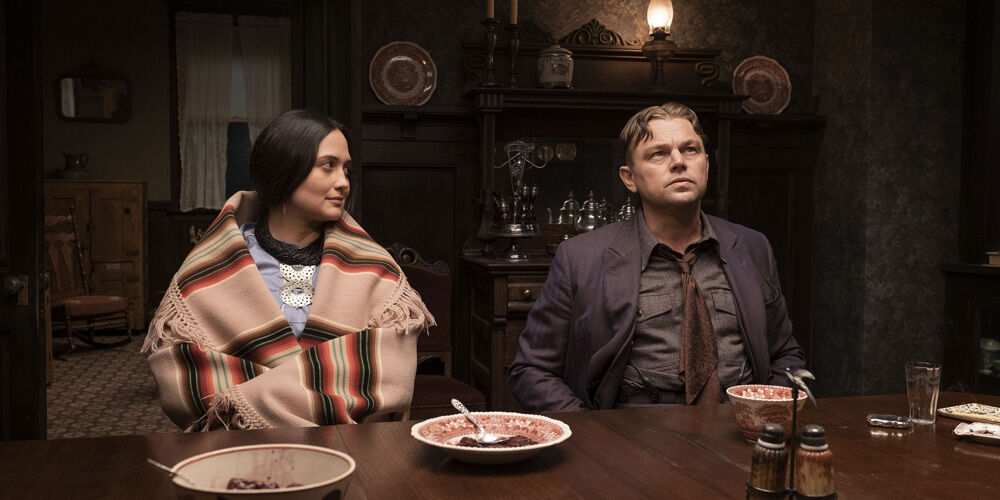
#1: ANATOMY OF A FALL - 5 nominations ★★★★★
I love it when the film I think was the best picture of the year gets nominated for that award. This year, my top four were all selected, and my Best Pic pick also won the Palme d'Or at Cannes. Justine Triet's French courtroom drama Anatomy of a Fall swept me up in its story and characters like no other film in this excellent movie year. The story centers on a novelist suspected of murder when her husband falls to his death from a window in their home, the only “witness” to the event being their visually impaired young son, Daniel, and his guide dog, Snoop. Nominated for Best Picture, Director, Original Screenplay, Actress, and Editing, I believe it deserves all five awards. Since France chose not to submit it for International Feature, which it surely would have won, I think it only has a shot at Original Screenplay. I stated before that I always root for that award to go to a script written by a screenwriter rather than a director who is also a writer, but I would hate to see this remarkable picture go home empty-handed.
The screenwriting categories are my favorite Oscar categories because the writer's branch of the Academy is the one that usually comes the closest to recognizing the year's best work. And this year’s diverse crop of original screenplay nominees is uniformly excellent. Triet and co-writer Arthur Harari craft a film that, on the surface, seems like it will be a mystery or a procedural that will arrive at a pronounced conclusion, but it quickly starts to feel like a movie that will end on a more ambiguous note. By the finale, we realize that the film has little to do with assigning guilt or innocence and is more about the way we, as humans, choose to move forward through the life we're given. Like Killers of the Flower Moon, Poor Things, Past Lives, The Teachers’ Lounge, Four Daughters, and many of this year’s most outstanding pictures, Anatomy of a Fall implores us to stop merely looking for villains, scapegoats, and others to blame for everything wrong with our world and asks us to make active choices about what we’re going to do about the various situations in which we find ourselves.
At the center of the film is the remarkable lead performance of Sandra Hüller. I didn’t mention her in terms of the Best Actress category because I think it's a two-person race between Stone and Gladstone. But Hüller, who also stars in The Zone of Interest, is my choice for Best Actress. The way she embodies the multilingual aspects of the screenplay (such a fascinating use of language in this movie!), the way her precise articulations and cerebral way of processing emotions make the character come off as cold in the courtroom, and how well she embodies the film’s basic conundrum that words and actions can be interpreted in myriad ways but none that will necessarily get us any closer to the truth. I identified so strongly with so many characters in 2023. Probably most strongly and most uncomfortably with DiCaprio's Ernest Burkhart, as I think that film intended men like me to do. But I also took pleasure in how much I related to Greta Lee's pragmatic Nora Moon in Past Lives, a character who spends little time dwelling on "the road not taken." She focuses on where her choices have placed her in the present moment rather than the paths she didn't choose. But Hüller’s Sandra Voyter was the character I resonated with in ways that were the most pleasing and disquieting.
The entire ensemble of Anatomy of a Fall is first-rate, from the forensic experts to the various witnesses, to the opinionated judge who is often at a loss for words, to those amazing lawyers, all the way down to the dog. I rarely praise dog performances, but this is a brilliant use of a K-9 character. I would have loved to see a Supporting Actor nom for Swann Arlaud as Sandra's silver fox lawyer. I'd just as easily nominate Antoine Reinartz as the aggressively misogynistic dickhead prosecutor—riveting every second he's on screen. Rounding out a year of exceptional child performances is Milo Machado-Graner as Sandra's son, Daniel, through whose limited eyes the film unfolds. Jehnny Beth, as the court-appointed “protector of Daniel's testimony,” is also marvelous as a seemingly incidental character who factors into the narrative and the ultimate thematic conclusion more profoundly than we (or she) could ever imagine.
But this film is not just a collection of great actors delivering well-written scenes—something we can get every day on television. Anatomy of a Fall is skillfully structured, directed, photographed, and edited in the most deceptively ordinary ways. As a former film editor, I’m of the school that believes the best cutting is invisible. I don’t want to be made aware of editing until the 2nd or 3rd viewing of any great picture. In most cases, I'd extend that to directing as well. This is such a well-crafted picture across the board, but the nominated editing and direction really stood out for me on subsequent viewings. The shifting points of view regarding the shots and how they are assembled are deliberate and pointed without drawing attention to themselves or overshadowing the story, the characters, the actors, and the themes.
Laurent Sénéchal’s editing keeps the large number of characters and knotty shifting perspectives alive and in play, lithely jumping from what is known and can be understood to what can only be imagined and interpreted, and then back again. Cinematographer Simon Beaufils’ use of the harsh white glare of the sun reflecting off the snow-capped French Alps underscores how often truths are not hidden in dark shadows but rather are impossible to see because we are blinded by too much illumination. Sometimes, we see so much we can't make out what we're trying to focus on, and two people looking at the exact same landscape will view it radically differently.
How could I not love this movie? Triet and company blend Basic Instinct and Doubt, combined with Caché by way of Marriage Story, fed through Anatomy of a Murder to make Kramer vs. Kramer where the parent who leaves can never come back, and Justin Harvey has to sit in the courtroom as his parents tear into each other day after day. It's a remarkable conception that gives the audience everything we need in a single viewing, yet still makes us want to watch the film over and over—not to discover secret clues and hidden information, but simply to bask in the glow of such a great story so well told. It's a true five-star film; a movie for the ages.