

Seeking out the
5000 greatest films
in a century of cinema


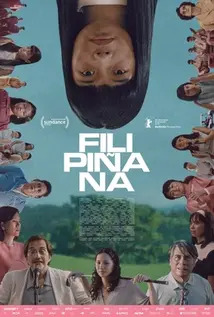

Filipiñana



Produced by Nadia Turincev, Rafael Manuel, Jeremy Chua, Sam Chua, Bradley Liew, Alex Polunin, Bianca Balbuena, and Omar El Kadi
Editing: Rafael Manuel
Release Date: 26 August 2026
Aspect Ratio: 1.37 : 1
Color: Color
The debut feature of writer-director Rafael Manuel is a striking work of slow cinema in which we observe a microcosm of Filipino society through the carefully framed static shots of a luxurious golf resort in Manila. Jorrybell Agoto stars as a 17-year-old working as a "tee-girl," the lowest rung of the staff that still have the ability to rise in status; these girls in pastel-blue uniforms set the golf balls on the tees so wealthy patrons don't have to bend over. On the single hot day the film takes place, she uncovers unpleasant truths about her workplace, her country, and her own past after trying to return a lost golf club to the club's president.
Filipiñana is about as action-packed and narratively dense as a film can be while still fully existing within the minimalist confines of the art-house category we call slow cinema. The picture's stinging social commentary is conveyed through the visual language of composition and color far more than dialogue. While I was somewhat shocked by the length of the end credits—it took a hell of a lot of people to help Manuel expand his 2020 Silver Bear-winning thesis short—I fell completely under the film's hypnotic spell.
Rafael Manuel's debut feature about a "tee-girl" working at a luxurious golf resort in the Philippines is about as action-packed and narratively dense as a film can be while still fully existing within the minimalist confines of the art-house category we call slow cinema.